
What Is a Garbage Disposal and How Does a Food Waste Disposer Work?
In modern kitchens, convenience and cleanliness go hand in hand. One appliance that has transformed everyday kitchen waste handling is the garbage disposal, also known as a food waste disposer. If you’ve ever wondered what a garbage disposal is, how it works, and why you might need one, this comprehensive guide will walk you through everything you need to know — from basic operation to benefits, maintenance, and selecting the right unit for your home.
1. What Is a Garbage Disposal?
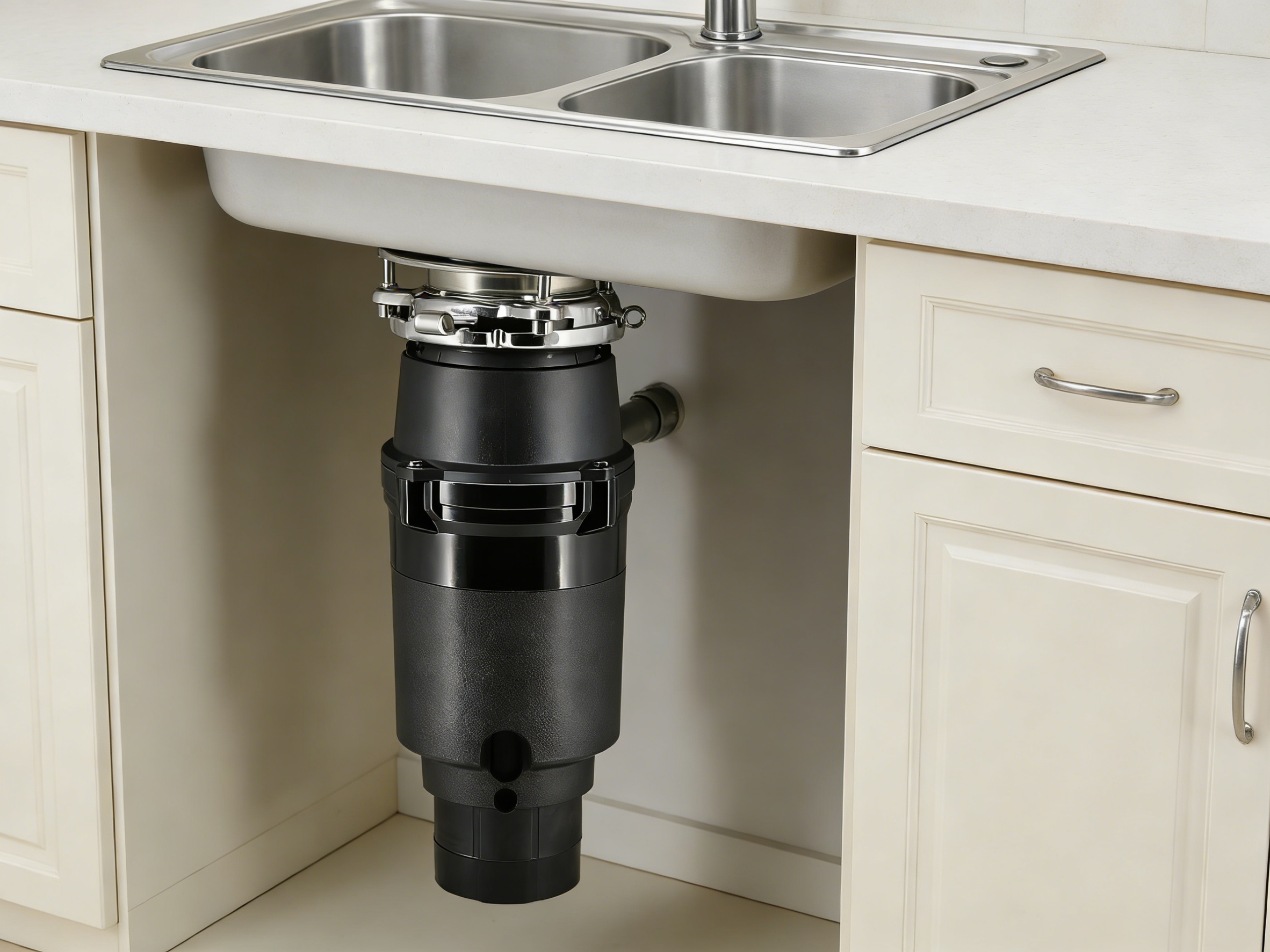
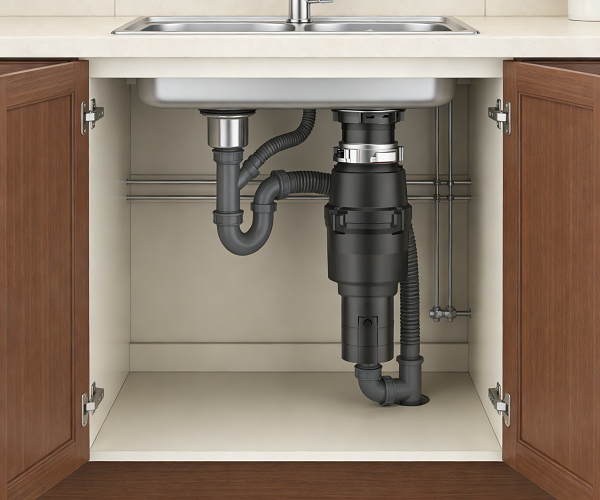
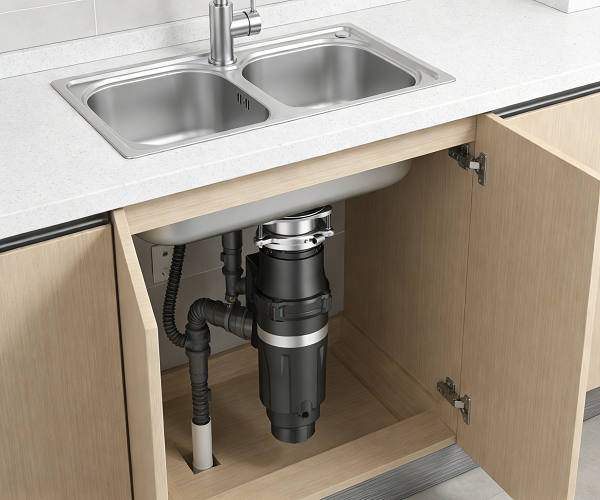
A garbage disposal — sometimes called a food waste disposal unit or kitchen waste disposer — is a mechanical device installed under a kitchen sink and connected to the drain and electrical supply. Its primary function is to shred food waste into small particles that can safely pass through household plumbing and into the sewer system.
Unlike traditional waste bins that accumulate leftover food, a garbage disposal grinds food scraps quickly and efficiently, reducing the amount of organic waste that ends up in household trash. This not only cuts down on odor and pests but also supports a cleaner, more hygienic kitchen environment.
2. How Does a Food Waste Disposer Work?
Understanding how a food waste disposer works starts with its internal mechanism. Despite common misconceptions about blades, most disposers use impellers — spinning components that force food waste against a grinding ring.
Here’s a step-by-step breakdown of the process:
-
Food Waste Enters the Disposal
When you turn on the water and the disposal, food scraps dropped into the disposal’s opening are carried by running water. -
Impellers Break Down the Waste
Inside the unit, impellers (also called “lugs”) spin at high speed. These impellers don’t cut like knives; instead, they fling food waste against a stationary grinding ring. -
Grinding Ring Reduces Particle Size
The grinding ring has ridges that repeatedly pulverize the waste into fine particles small enough to travel through plumbing without clogging. -
Water Carries the Waste
Once ground, the particle fragments flow with water through the drain and into the sewer or septic system.
This mechanism ensures that food waste is reduced to a manageable size, minimizing blockages and enabling efficient disposal with everyday kitchen use.
3. Key Components of a Food Waste Disposal Unit
While different models vary slightly, most garbage disposals share these core components:
-
Hopper / Splash Guard — The opening at the top where food waste enters.
-
Motor Assembly — Powers the impellers to grind food waste.
-
Impellers (Grinding Elements) — Flings food into the grinding ring.
-
Grinding Ring — Crushes and pulverizes food particles.
-
Drain Connection — Routes ground particles into plumbing.
-
Mounting Assembly — Secures the unit under the sink.
Understanding these parts helps you appreciate the engineering behind a disposer and makes troubleshooting or maintenance easier.
4. Benefits of Using a Garbage Disposal
Installing a garbage disposal or food waste disposer offers several tangible advantages for homeowners:
a. Reduced Kitchen Waste
Instead of wrapping food scraps and placing them in a bin, you can dispose of many types of waste directly — from vegetable peels and fruit cores to small leftovers.
b. Less Odor and Pest Issues
Food left in trash bins decomposes and attracts flies, ants, and rodents. Using a disposer reduces the amount of organic material in your trash, keeping your kitchen fresher.
c. Environmental Benefits
When used responsibly, disposers can contribute to reduced landfill waste. In many municipalities, food waste sent through sewage systems can be treated and turned into biogas or compost.
d. Convenience and Time Savings
No more scraping plates repeatedly or worrying about overflowing trash cans — a quick grind and rinse keeps waste in check.
5. What Can You Put in a Garbage Disposal? (and What to Avoid)
While food waste disposers handle many scraps, not all kitchen waste should go down the drain. Safe items include:
-
Fruit and vegetable scraps
-
Coffee grounds (in moderation)
-
Small leftovers
-
Cooked meat particles
-
Eggshells (controversial — small amounts only)
Avoid disposing of:
-
Grease, oils, and fats (can solidify and clog pipes)
-
Bones (especially large ones)
-
Fibrous vegetables (e.g., celery, corn husks)
-
Potato peels in large quantities (can form a paste)
-
Non-food materials (plastic, glass, metal)
Proper use ensures longevity and minimizes plumbing issues.
6. How to Maintain Your Food Waste Disposer
Routine maintenance keeps your disposer running smoothly and prevents odors or jams:
a. Rinse with Cold Water
Always run cold water before, during, and after grinding to help flush particles through the drain.
b. Use Citrus Peels for Freshness
Grinding small citrus peels (like lemon or orange) occasionally will help neutralize odors.
c. Avoid Chemical Cleaners
Harsh chemical drain cleaners can damage internal components. Instead, use baking soda and vinegar or specialized disposal cleaners.
d. Check for Jams
If the disposer hums but doesn’t grind, it may be jammed. Unplug the unit and use a hex key in the bottom reset hole to clear blockage safely.
7. Choosing the Right Garbage Disposal for Your Kitchen
When selecting a unit, consider these factors:
Power (Horsepower)
-
⅓ – ½ HP – Best for light use and small households.
-
¾ HP – Optimal balance of power and cost for most kitchens.
-
1 HP and above – Heavy-duty grinding for large families or frequent use.
Noise Level
Higher-end models often include sound-dampening features for quieter operation.
Grinding Teeth and Stainless Steel Components
Look for durable grinding elements and corrosion-resistant materials for longevity.
Brand Reliability and Warranty
Reputable brands like Zaldisposer emphasize build quality, customer service, and warranty support — crucial for long-term peace of mind.
Explore models and specifications here: https://www.zaldisposer.com/
8. Installation: DIY or Professional?
Many homeowners opt for professional installation because it ensures proper electrical and plumbing connections, a secure fit, and compliance with local codes. However, if you have basic plumbing and electrical skills, installing a disposer can be straightforward with the right instructions.
Tip: Always follow manufacturer instructions and safety guidelines when installing or servicing your unit.
9. Garbage Disposer Myths Debunked
There are misconceptions about food waste disposers. Let’s set the record straight:
-
Myth: Disposers damage plumbing.
Fact: When used properly with cold water, disposers work with your plumbing system without causing harm. -
Myth: You can dispose of all food waste.
Fact: Some items, like grease and fibrous vegetables, should be avoided. -
Myth: Disposers replace recycling or composting.
Fact: They complement waste management but don’t replace dedicated recycling or composting programs.
10. Final Thoughts
A garbage disposal — or food waste disposer — is a smart, practical addition to any modern kitchen. It reduces waste, improves hygiene, and enhances your overall kitchen experience. Whether you’re considering your first unit or upgrading an existing one, understanding how these devices work and how to maintain them ensures you’ll get maximum value and performance. For high-efficiency, reliable food waste disposers designed for everyday household use, check out Zaldisposer.
Related News
SUBSCRIBE
INQUIRY