
Selecting and Operating a Kitchen Waste Disposer for Residential Drainage Systems
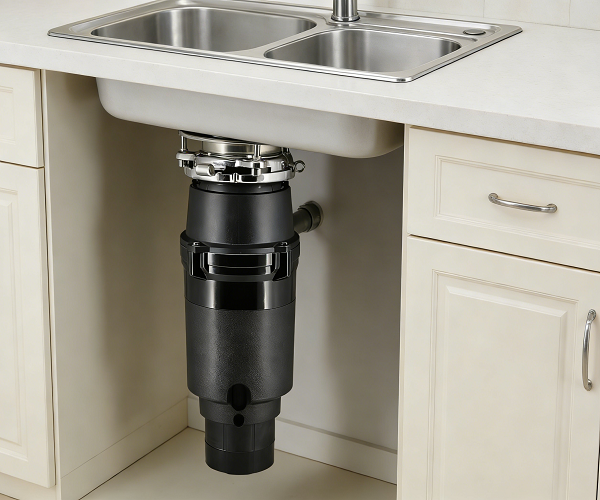
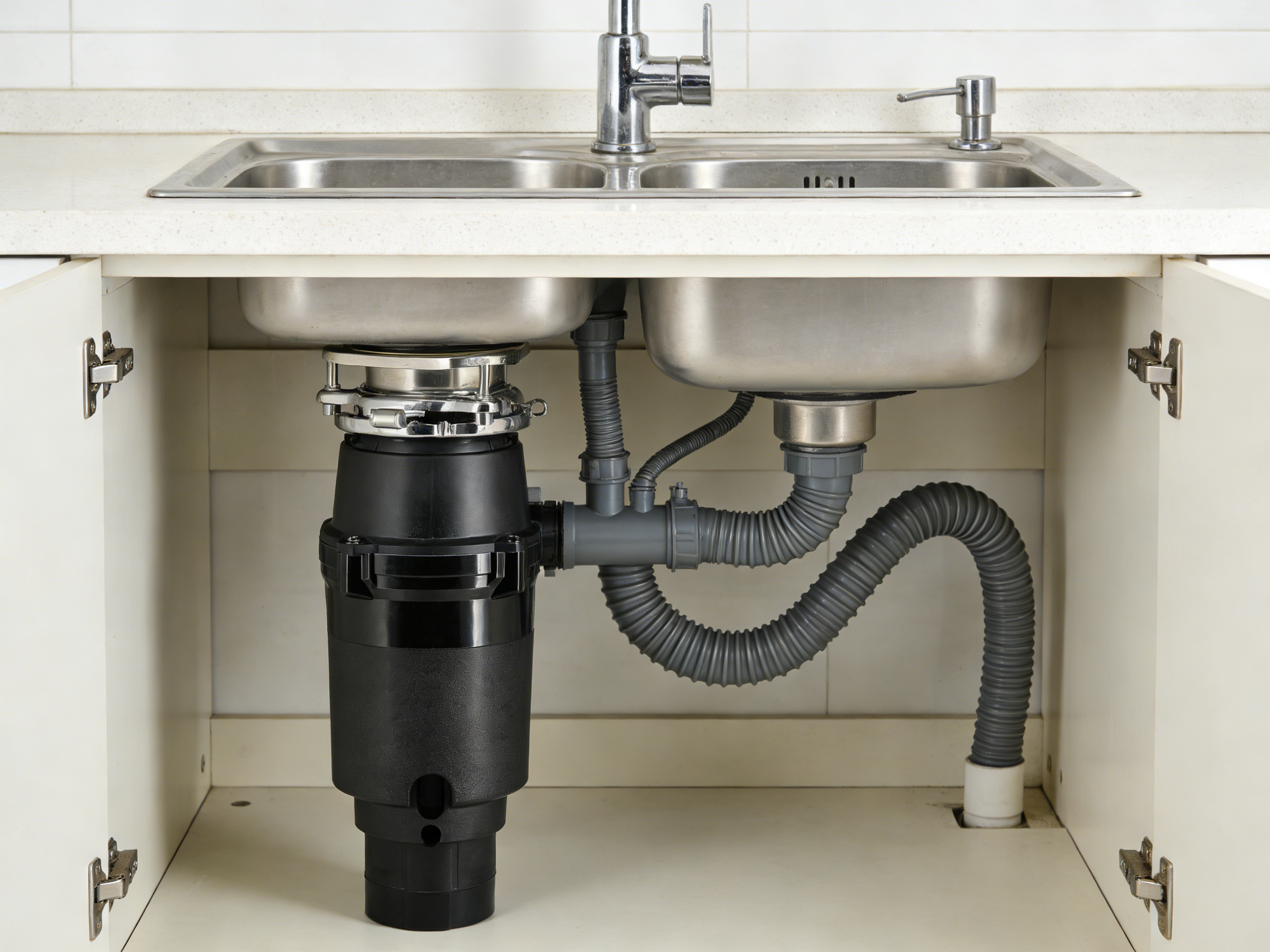
Many homeowners experience slow-draining sinks immediately after dinner preparation. Scraping plates directly into the trash often leaves residual organic matter behind in the basin. Installing a continuous feed kitchen waste disposer beneath the sink bowl addresses this exact mechanical bottleneck. It connects the primary drain directly to the municipal wastewater system.
Why Do Kitchen Sinks Clog Despite Standard Metal Strainers?
Standard sink strainers typically catch food particles larger than two millimeters. Organic residue smaller than this dimension easily slips through the metal mesh. Once inside the standard PVC plumbing, starchy remnants like cooked pasta or rice absorb trapped moisture.
They expand significantly and bind to the inner pipe walls. Over several days, this creates a thick sludge that restricts outgoing water flow completely. The resulting blockage usually requires mechanical snaking to clear the underlying pipe infrastructure.
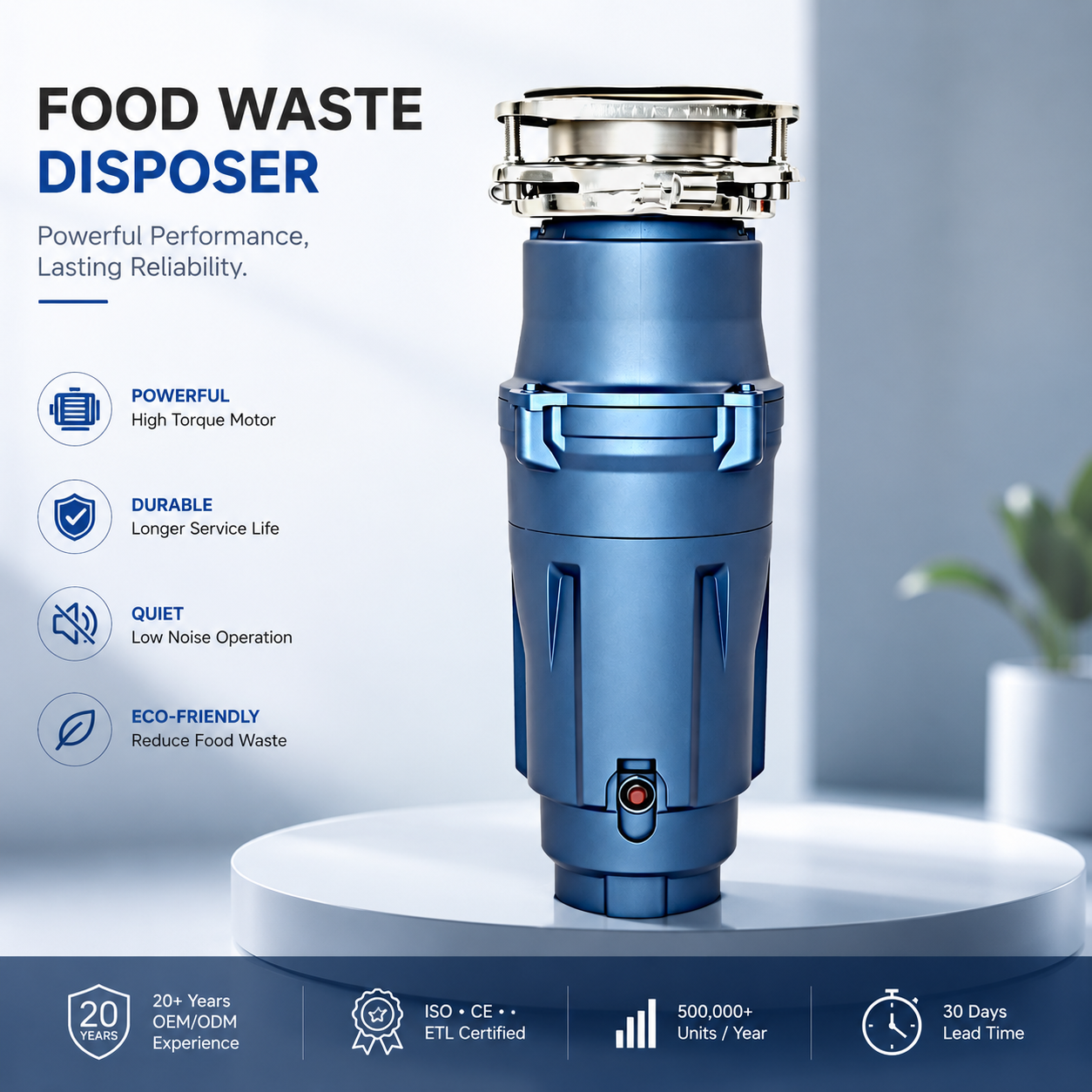
How Does the Grinding Chamber Process Hard Food Scraps?
People often assume these appliances utilize spinning razor blades. They actually rely on blunt metal impellers mounted securely on a rotating bottom plate. Centrifugal force pushes the dropped food scraps against a stationary, grooved grind ring.
The heavy impellers mash the organic matter until it degrades into a fine slurry. Cold water from the open faucet then flushes these liquefied particles safely through the residential plumbing system.
What Motor Power Is Required for Different Household Sizes?
Selecting the correct motor horsepower determines how effectively the machine processes dense materials. An underpowered internal motor will jam frequently when facing chicken bones or thick fruit pits. We categorize standard residential units into distinct power tiers based on anticipated daily volume.
| Motor Power | Household Size | Suitable Food Scraps | Average Chamber Capacity |
|---|---|---|---|
| 1/3 HP | 1-2 People | Soft vegetables, cooked pasta | 900 ml |
| 1/2 HP | 3-4 People | Cooked meat, vegetable peels | 1000 ml |
| 3/4 HP to 1 HP | 5+ People | Small bones, fibrous fruit pits | 1200 ml + |
Can You Put Boiling Water or Cooking Grease Down the Drain?
Pouring liquid cooking fat directly into the sink remains a common operational error. Hot grease stays perfectly liquid while passing through the active grinding chamber. Once it hits the cold underground sewer lines, the fat congeals into rigid masses.
These solid blocks trap passing debris and eventually form severe municipal sewer blockages. Always run cold water before, during, and after operating the unit. Cold water solidifies ambient fats, allowing the mechanical impellers to chop them into harmless fragments.
Which Specific Materials Cause Internal Component Failures?
Certain fibrous agricultural materials wrap aggressively around the rotating impellers. Corn husks, raw celery stalks, and onion skins behave exactly like strong ropes under intense centrifugal force. They bind the rotating plate tightly to the main motor shaft.
This sudden friction stops the motor dead and automatically triggers the internal thermal overload switch. Hard, non-food household items must also be kept away from the open drain at all times.
- Metal bottle caps
- Shattered glass shards
- Thick oyster shells
- Plastic food wrappers
What Drives the Decibel Levels During Active Operation?
Sound intensity varies drastically between entry-level and premium appliance models. The aggressive grinding action against the stainless steel ring naturally generates significant physical vibration. Standard continuous feed units generally produce around 70 to 80 decibels under normal load.
High-end machines utilize nylon-coated internal components and closed-cell acoustic foam insulation to dampen the escaping sound waves. A poorly installed mounting bracket will transfer motor vibrations directly into the thin metal sink bowl.
Continuous Feed vs. Batch Feed: Which Fits Your Kitchen Routine?
Users frequently debate the primary activation methods of these residential models. Continuous models run uninterrupted as long as the wall-mounted electrical switch remains flipped. You can scrape multiple plates into the drain cavity while the machine processes the load.
Batch feed models require the user to place a specialized magnetic stopper into the top drain hole. The motor only engages when this specific stopper locks securely into position. This physical barrier eliminates the risk of dropped silverware entering the active grinding zone.
Does the Electrical Outlet Placement Matter for Safety?
Under-sink cabinet environments remain notoriously damp and physically crowded spaces. Supplying 120V or 240V alternating current safely requires precise electrical planning. The wall outlet powering the unit should sit physically higher than the lowest point of the plumbing p-trap.
This elevation prevents accidental pipe leaks from pooling directly around the exposed electrical prongs. Local municipal building codes strictly dictate whether a dedicated circuit breaker is required for the final installation.
How Do Supply Chains Manage Custom Manufacturing Requirements?
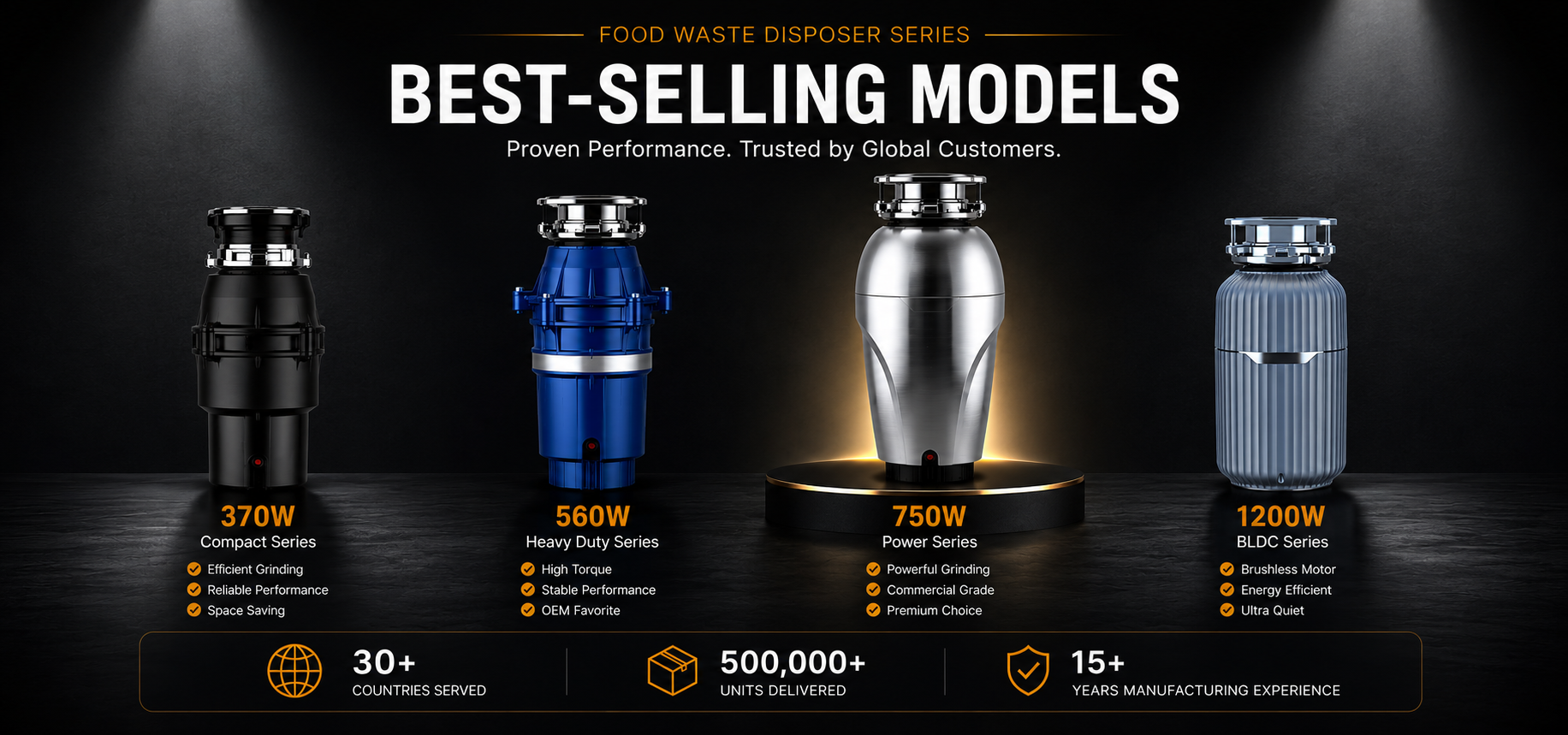
Appliance distributors need tight quality control when fulfilling specialized local market demands. Managing differing international voltage standards adds distinct friction to global supply lines. For us, manufacturing these units involves tailoring over 30 distinct models to exact regional compliance specifications.
Maintaining an annual production capacity exceeding 200,000 units ensures specific market demands are met. Providing original equipment manufacturing with low minimum order quantities helps regional importers test new demographic markets quickly.
Related News
SUBSCRIBE
INQUIRY