
Kitchen Waste Disposer Maintenance Tips for Long-Term Performance
A kitchen waste disposer is the unsung hero of the modern kitchen. It streamlines cleanup, reduces the volume of wet trash in your bins, and helps keep your kitchen smelling fresh. However, like any precision appliance, a disposer requires proper care to maintain its efficiency and longevity. Whether you are using a high-performance model from
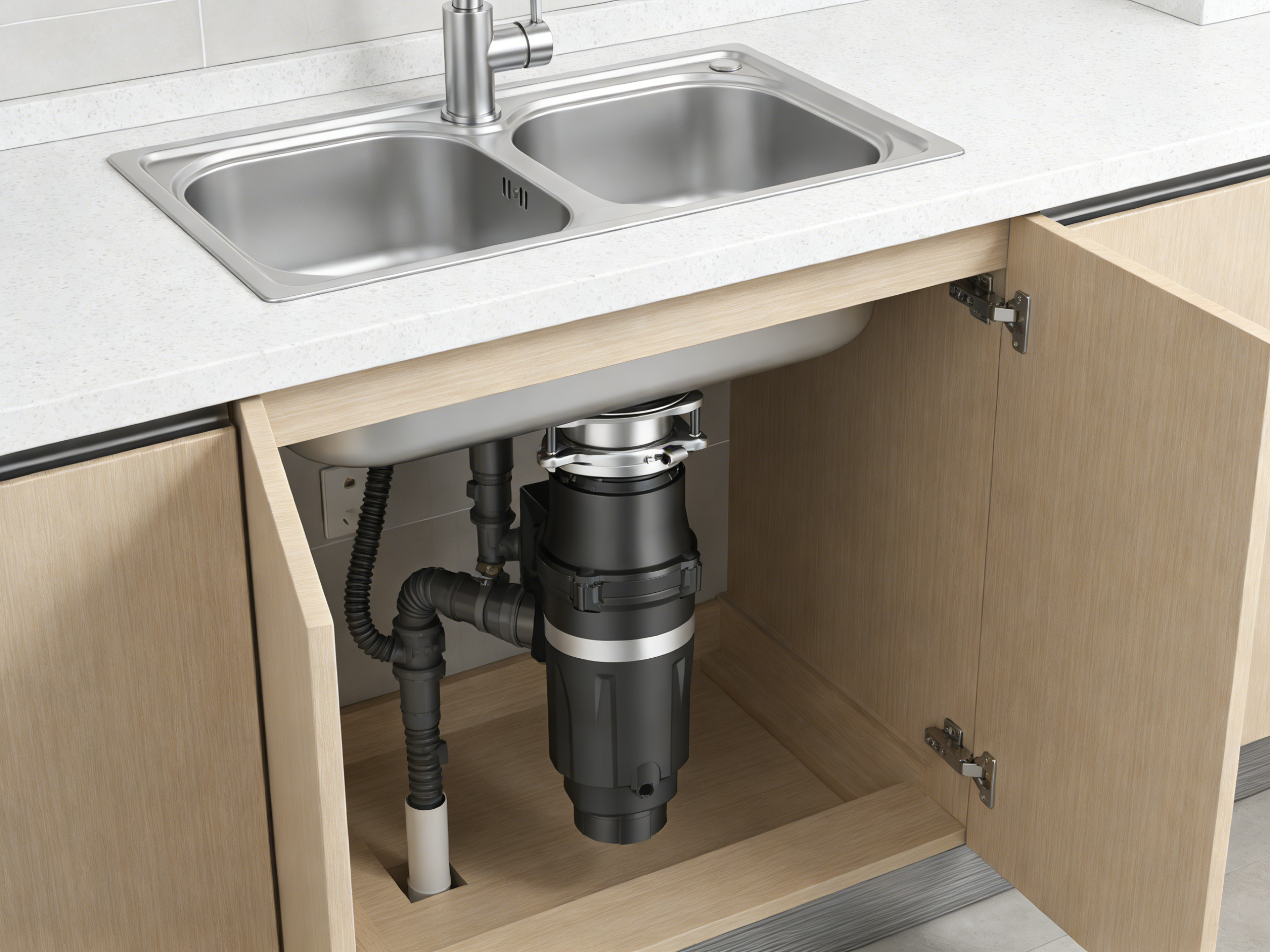
1. Mastering the "Cold Water" Rule
One of the most common mistakes users make is running hot water while grinding food waste.
Why Cold Water? Cold water is essential because it keeps fats and grease in a solid state. If you use hot water, grease melts and coats the internal components and the plumbing pipes. Once that liquid grease moves further down the line and cools, it solidifies, creating stubborn clogs. Cold water allows the disposer to chop up solid fats so they can be flushed through the system easily.
The Proper Sequence:
-
Before: Turn on a steady stream of cold water before you flip the switch.
-
During: Keep the water running throughout the grinding process.
-
After: Continue running the water for 15–30 seconds after the grinding noise stops. This "final flush" ensures all micro-particles are cleared from the P-trap and the main drain line.
2. Know the "No-Go" List
A waste disposer is powerful, but it is not a "black hole." Certain items can dull the impellers, tangle the motor, or create chemical reactions that damage the unit.
Never Put These in Your Disposer:
-
Fibrous Vegetables: Celery, corn husks, onion skins, and artichokes have long, tough fibers that can act like hair in a drain, tangling around the moving parts.
-
Starchy Foods: Pasta, rice, and potato peels expand when they absorb water. Even if they pass through the disposer, they often form a thick paste in the pipes that leads to a backup.
-
FOG (Fats, Oils, and Grease): These are the number one enemies of kitchen plumbing. Always pour liquid grease into a separate container for disposal in the trash.
-
Hard Items: Large bones (beef/pork), peach pits, and unpopped popcorn kernels can break the impellers or jam the motor.
-
Non-Food Items: This sounds obvious, but twist ties, cigarette butts, and plastic wrap frequently find their way into disposers, causing immediate damage.
3. Regular "Exercise" for the Motor
Mechanical parts that sit idle are prone to rust and corrosion. Even if you don’t have food waste to dispose of, you should run your unit at least once every few days with cold water. This prevents the internal components from "freezing" up and keeps the seals lubricated.
4. Cleaning for Freshness and Hygiene
Over time, a film of organic matter can build up on the underside of the splash guard and the walls of the grinding chamber. This leads to the "old sink" smell.
The Ice and Salt Method: Once a month, pour two cups of ice cubes and a half-cup of rock salt (or coarse salt) into the disposer. Run the unit with cold water. The ice and salt act as a natural abrasive, "scrubbing" the gunk off the blades and walls without causing damage.
The Baking Soda and Vinegar Fizz: To neutralize odors and kill bacteria:
-
Pour half a cup of baking soda into the drain.
-
Add one cup of white vinegar.
-
Let it fizz for 10 minutes.
-
Flush with very hot (but not boiling) water while the unit is off.
The Citrus Secret: For an instant scent boost, grind up a few small pieces of lemon, lime, or orange peels. The natural oils and citric acid clean the chamber and leave a fresh, natural fragrance.
5. Cleaning the Splash Guard
The rubber splash guard (the black ring at the drain) is often the source of foul odors because food particles get trapped on its underside.
-
Safety First: Turn off the power at the breaker or unplug the unit.
-
Manual Scrub: Use an old toothbrush and grease-cutting dish soap to scrub both the top and the underside of the rubber flaps. If your model has a removable splash guard, take it out and run it through the dishwasher.
6. Sharpening the "Blades"
Technically, most modern disposers (like those from ZAL) use impellers (small metal lugs) to throw food against a stationary grind ring, rather than spinning knives. However, these impellers still need to move freely. Grinding ice is the best way to keep this mechanism efficient. It knocks off mineral deposits from hard water and ensures the impellers can swivel as intended.
7. Professional Troubleshooting and Safety
If your disposer stops working, don't panic. Most units have a built-in "fail-safe" to protect the motor.
-
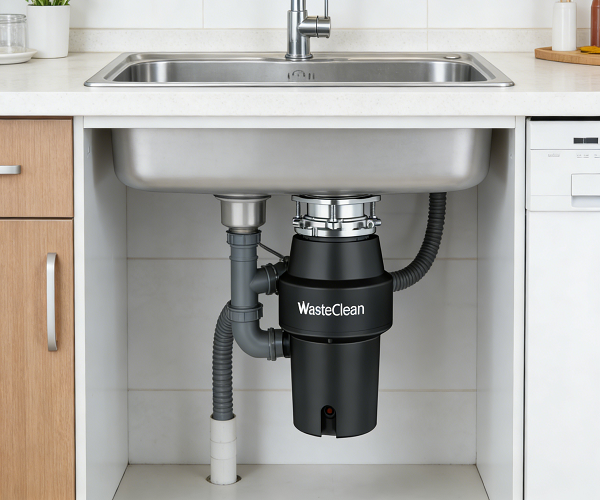
The Reset Button: If the motor overloads, a small red button on the bottom of the unit will pop out. If the unit is silent when you flip the switch, check the bottom, push the button back in, and try again.
-
The Jamming Wrench: If the unit hums but won't turn, it is likely jammed. Most disposers come with a hex wrench (Allen wrench). Insert it into the hole at the center-bottom of the unit and turn it back and forth to manually break the jam. Never put your hand inside the disposer.
-
Avoid Harsh Chemicals: Never use standard "liquid plumber" or caustic drain cleaners in a disposer. They can corrode the metal components and damage the seals, leading to leaks.
Conclusion
A high-quality kitchen waste disposer is a significant investment in your home’s convenience. By following these simple maintenance habits—using cold water, avoiding "forbidden" foods, and performing monthly cleanings—you can extend the life of your appliance by years. For those looking for durable, high-torque solutions that handle tough waste with ease, explore the latest technology at
Related News
SUBSCRIBE
INQUIRY