
Kitchen Garbage Disposal Mechanics: Sizing Guidelines and Maintenance Realities
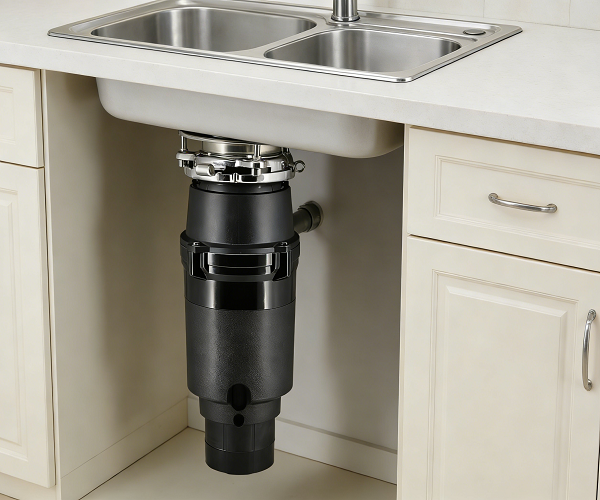
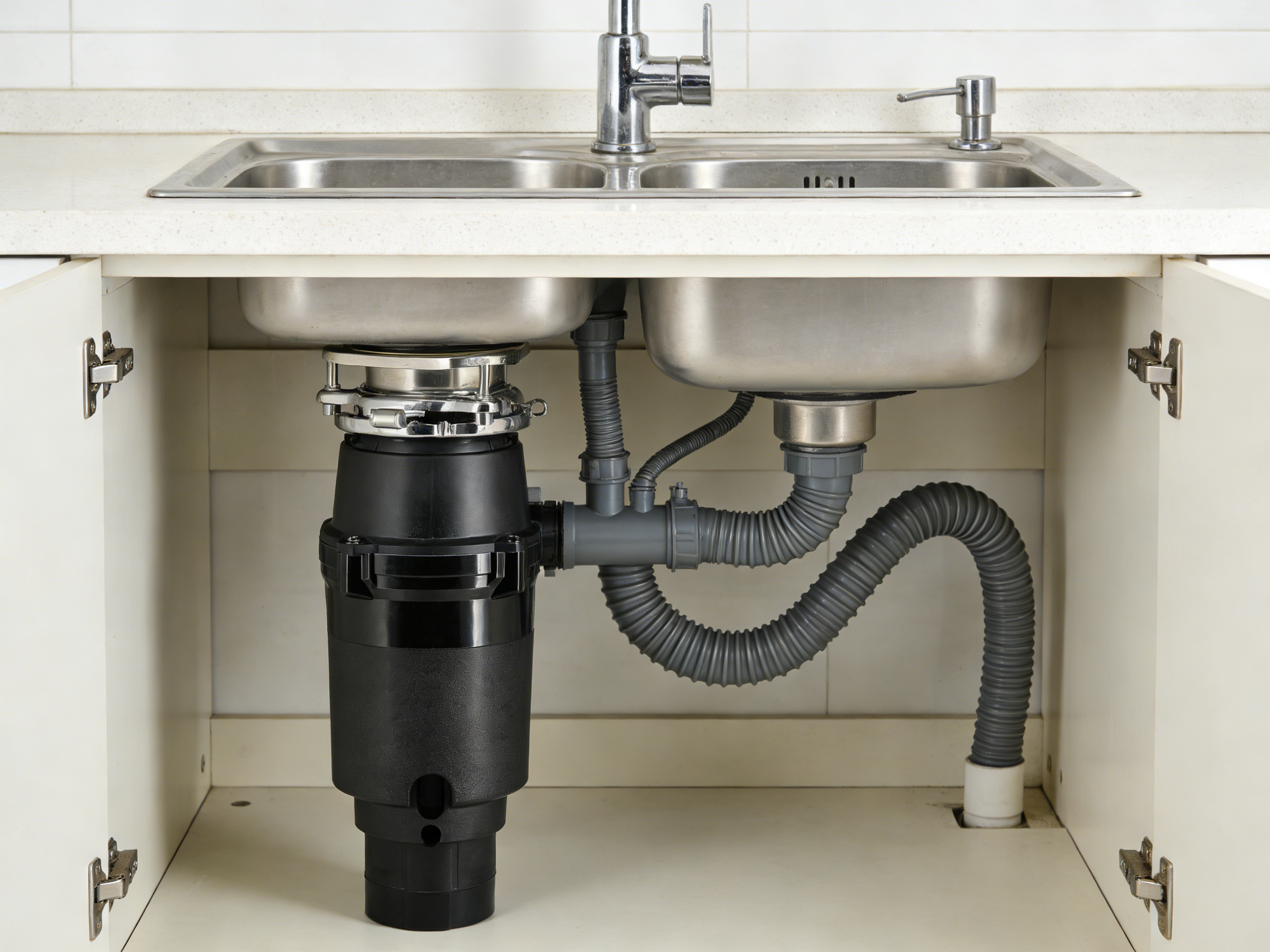
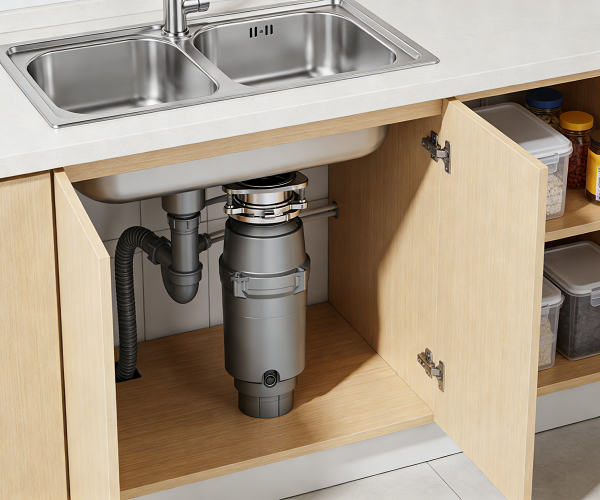
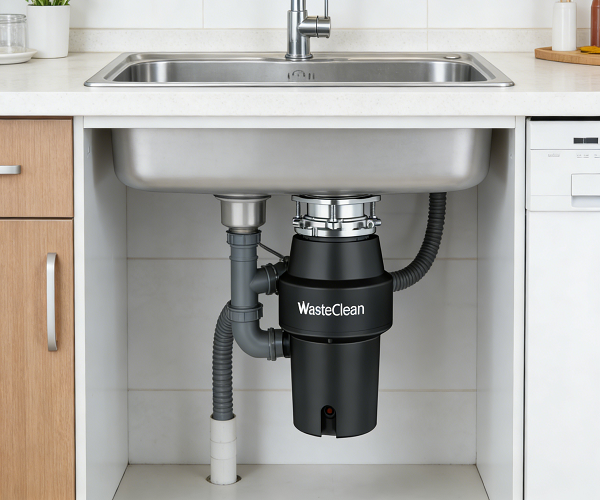
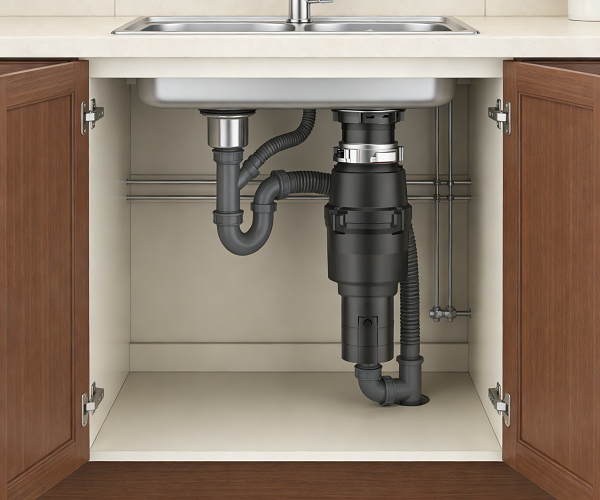
Managing household food waste often presents a messy challenge for homeowners and property managers alike. Scraps left in the trash bin quickly generate odors and attract common household pests. Installing a kitchen garbage disposal effectively addresses this daily friction. These devices mount directly beneath the sink drain.
They intercept organic matter before it reaches the municipal plumbing infrastructure. This immediate waste diversion minimizes unpleasant kitchen smells while streamlining post-meal cleanups. Understanding the mechanical realities behind these systems helps users maximize lifespan.
What Happens Inside the Grinding Chamber?
A common misconception is that these devices contain spinning blades similar to a countertop blender. This assumption is factually incorrect and leads to improper usage. The core grinding mechanism relies entirely on high-speed centrifugal force.
A rotating plate equipped with blunt metal impellers forces food scraps against a stationary grind ring. This ring features sharp teeth that systematically break down the organic material. The particles are sheared until they are small enough to pass through a bottom screen.
Once completely liquefied, the suspended matter washes safely down the connected drain pipes. To ensure optimal operation and prevent mechanical jamming, users must consistently provide three vital elements during daily operation:
-
Continuous cold water flow
-
Gradual feeding of food scraps
-
Sufficient motor power
Why Do Plumbed Waste Units Clog Continuously?
Drain blockages usually stem from improper user habits rather than actual mechanical failure. Fibrous materials easily wrap around the blunt impellers and severely restrict rotational movement. Common culprits include raw celery stalks, corn husks, and tough onion skins.
Hot water and cooking grease create another severe operational hazard for your plumbing. Pouring hot liquid fats into the sink keeps the grease in a fluid state until it hits the cooler pipes.
It then rapidly solidifies, coating the interior plumbing walls and trapping subsequent food debris. Always use a steady stream of cold water to solidify fats before they enter the grinding chamber.
What Motor Specifications Match Your Household Needs?
Selecting the correct horsepower prevents premature motor burnout and frustrating daily jams. Smaller units struggle with dense materials like leftover chicken bones. Upgrading the motor size increases the available grinding torque.
Evaluating the daily volume of organic material helps buyers determine the necessary mechanical strength. Consider the following baseline recommendations when matching hardware to specific residential demands:
| Motor Power | Household Size | Recommended Food Waste Types |
|---|---|---|
| 1/3 HP | 1-2 people | Soft vegetables, leftover plate scrapings |
| 1/2 HP | 3-4 people | Daily food scraps, small fruit peels |
| 3/4 HP | 5+ people | Dense vegetables, small cooked bones |
| 1.0+ HP | Commercial | Raw meat scraps, bulk fibrous materials |
How Can Users Maintain Grinding Efficiency?
Routine cleaning prevents harmful bacterial growth and internal mechanical stiffness. Natural maintenance routines often outperform chemical drain cleaners, which can aggressively degrade the internal rubber seals over time.
Grinding a handful of solid ice cubes helps dislodge stuck debris from beneath the metal impellers. Adding leftover citrus peels can naturally neutralize lingering internal chamber odors without damaging components.
Disclaimer: The cleaning methods discussed are based on standard plumbing maintenance practices and serve only as general guidance. For specific warranty-related care instructions, please consult your manufacturer's manual before attempting any mechanical servicing.
How Do Global Distributors Source Quality Equipment?
Hardware retailers and international appliance brands require stable manufacturing partners to meet varied regional plumbing demands. For us, producing reliable equipment means leaning on over two decades of applied research and large-scale manufacturing experience.
We supply over thirty different product models designed for diverse plumbing configurations and residential needs. Our facilities handle high-capacity OEM and ODM orders, supporting low minimum order quantities alongside flexible physical customization.
This production capability includes adapting units to meet international safety certifications, varied regional voltage requirements, and specific plug configurations for specialized global markets.
What Are the Key Installation Requirements?
Integrating a new waste management device requires specific structural and electrical preparations beneath the sink. The mounting assembly must securely attach to the sink flange to prevent heavy operational vibrations.
An unsecured mount quickly leads to structural leaks and long-term water damage to the surrounding cabinetry. Most modern units require a dedicated electrical outlet located directly inside the sink cabinet.
Hardwiring remains a viable alternative in older homes, though plug-in models offer much easier replacement procedures. Ensure your sink basin material can safely support the physical hanging weight of the motor.
What Is the True Operational Cost?
Beyond the initial hardware purchase price, operators should carefully calculate long-term energy and municipal water consumption. Surprisingly, a standard kitchen garbage disposal uses less than one percent of a household's daily water.
Electricity usage remains equally minimal across most modern systems, usually costing under one dollar annually. The real financial risk lies in secondary plumbing repairs caused directly by grinding inappropriate organic materials.
Related News
SUBSCRIBE
INQUIRY