
Key Factors to Consider Before Buying a Food Waste Disposer
Kitchen counters often hide a silent frustration. Late at night, scrapings from dinner plates sit damply in the trash basket, breathing a faint, sour odor into the clean air of your home. You stare at the sink, wondering if a food waste disposer could permanently erase this daily chore from your life.
Choosing the right appliance requires looking beneath the stainless steel surface. It is not just about clearing waste; it is about choosing a mechanism that matches your daily habits. For us, building these systems has revealed that true satisfaction comes from understanding small, hidden technical variables.
Assessing Your Kitchen Sink Capacity
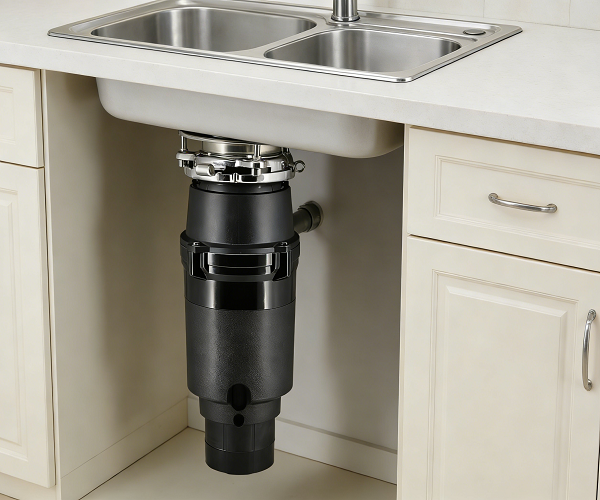
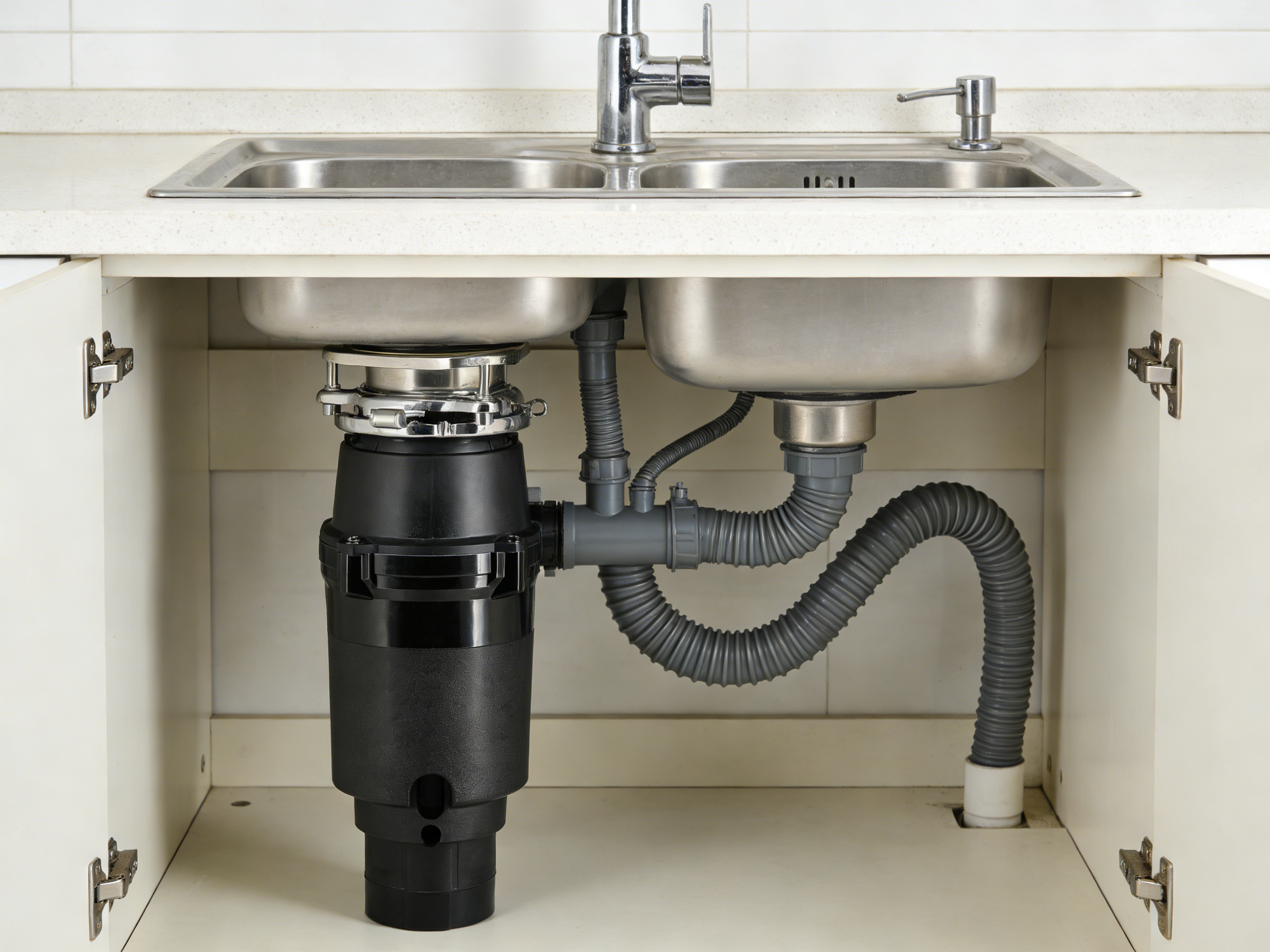
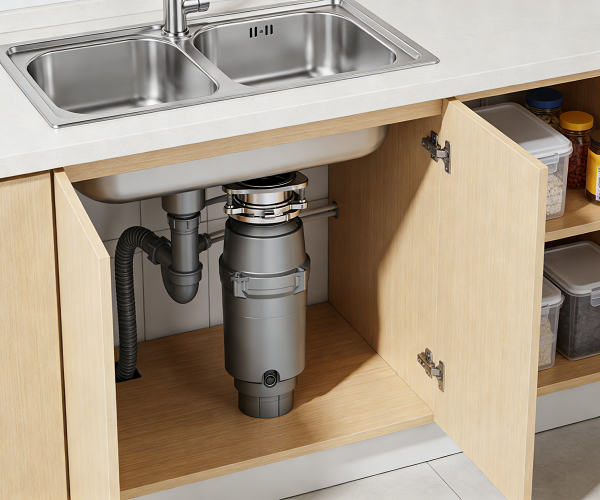
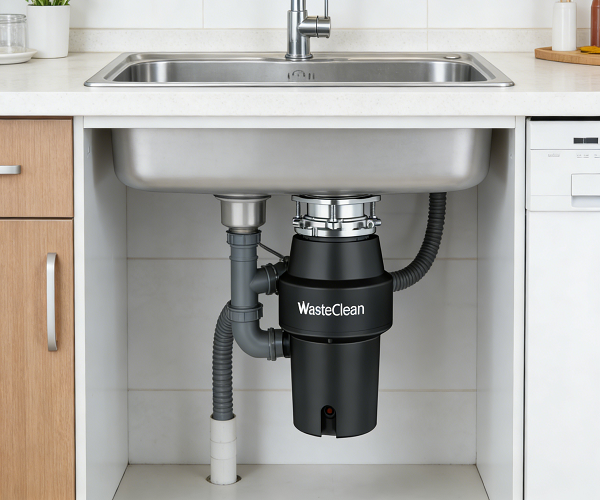
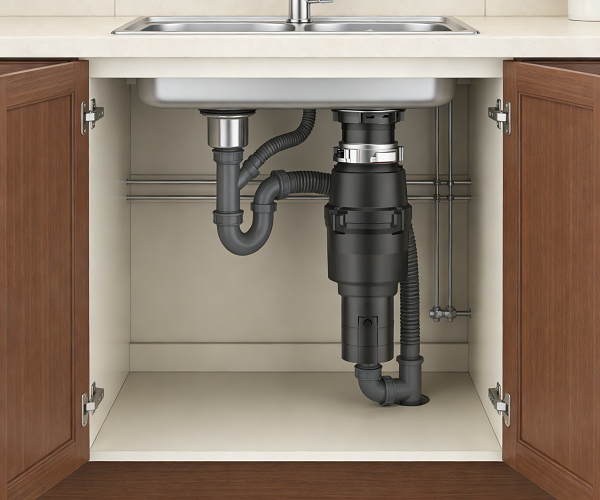
Every kitchen tells a story through its plumbing fixtures. Before purchasing, look underneath your cabinet with a flashlight to measure the physical clearance around your drainpipe. Heavy porcelain sinks require different structural considerations than thin, flexible stainless steel basins under heavy vibration.
The physical volume of the grinding chamber dictates your daily kitchen workflow. Large families processing fibrous vegetables need deep, high-capacity chambers to prevent immediate clogging during meal preparation. A small apartment, however, thrives with a compact design that preserves valuable under-sink drainage space.
Structural load is a critical, yet frequently ignored factor. A heavy-duty appliance filled with water and organic waste exerts substantial dynamic stress on sink flanges. Over time, poor structural pairing leads to micro-gaps, causing slow, hidden leaks that damage expensive wooden cabinetry.
| Sink Material | Vibration Risk | Recommended Mounting |
|---|---|---|
| Stainless Steel | High (Flexing Resonance) | 3-Bolt Cushion Mount |
| Cast Iron / Ceramic | Low (High Mass Dampening) | Heavy Duty Steel Flange |
| Composite Granite | Medium | Reinforced Polymer |
Matching the physical unit to your specific plumbing configuration ensures long-term operational safety. If the drain outlet sits too low relative to your wall pipe, water will stagnate inside the chamber, creating unpleasant odors. Correct spatial alignment prevents backflow, keeping your kitchen smelling clean and fresh.
Motor Power and Grinding Technology
The motor is the beating heart of the machine. Consumers often get caught in the debate between induction motors and permanent magnet motors without understanding how they handle real food waste. Induction motors run at lower speeds but deliver consistent, smooth torque to chew through tough, fibrous materials.
Permanent magnet motors spin fast, reaching maximum speed almost instantly to slice through waste like a blender. This high initial speed prevents jams when dealing with hard chicken bones or dense vegetable peelings. However, choosing the wrong horsepower rating can lead to frequent electrical trips during heavy usage.
| Horsepower (HP) | Household Size | Ideal Waste Types |
|---|---|---|
| 1/2 HP | 1-2 Persons | Soft organics, light peel |
| 3/4 HP | 3-4 Persons | Bones, fibrous vegetables |
| 1.0 HP | 5+ Persons | Heavy commercial-grade |
Grinding technology has evolved beyond simple spinning blades. Modern premium systems utilize multi-stage centrifugal impellers that reduce solid waste into a fine, liquid slurry. This ultra-fine particle size is essential for homes relying on older, delicate septic systems.
For us, engineering these internal grinding rings involves precise metallurgical choices. Stainless steel components resist the corrosive acids found in citrus peels and coffee grounds. Investing in robust internal materials prevents dulling, ensuring the machine maintains its cutting efficiency for many years.
Noise Reduction Features to Look For
A powerful motor can sound like a jackhammer inside a hollow cabinet. The kitchen should remain a place for conversation, storytelling, and family connection, not loud mechanical disruptions. Advanced acoustic engineering transforms a roaring grind into a gentle, low-pitched hum.
Sound insulation wraps around the motor housing to absorb high-frequency vibrations before they reach your ears. Anti-vibration sink mounts act as shock absorbers, preventing the sink basin from acting as a giant speaker. These dampening layers decouple the mechanical energy from the countertop structure.
Muffled baffles placed inside the sink drain opening also play a vital role in noise management. They trap sound waves inside the chamber while preventing water from splashing back up during operation. A well-designed baffle minimizes noise without restricting the swift flow of running water.
Related News
SUBSCRIBE
INQUIRY