
Household Garbage Disposal: Costs, Installation, and Common Problems Explained
A household garbage disposal turns kitchen scraps into wastewater slurry that flows out through your existing plumbing instead of piling up in a trash bag. Anyone shopping for one usually lands here with a handful of practical questions: what it costs, why it jams, and what actually breaks it. This guide answers those directly, without the fluff.
How Does a Household Garbage Disposal Actually Work?
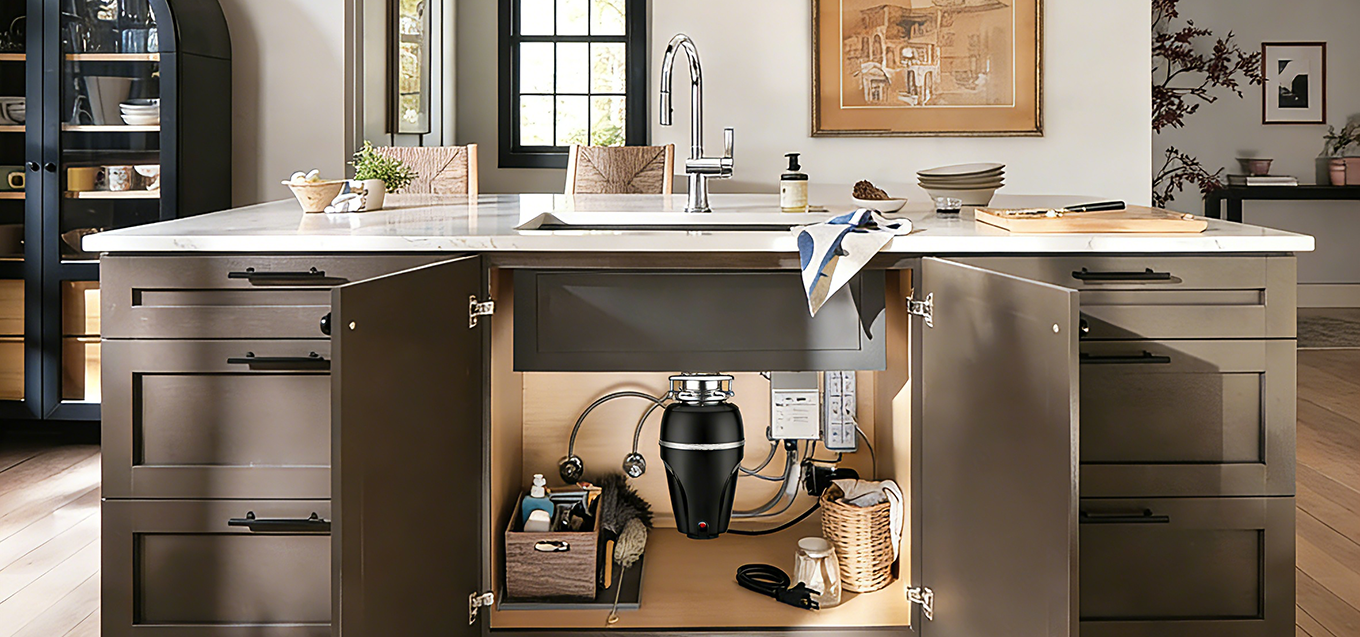
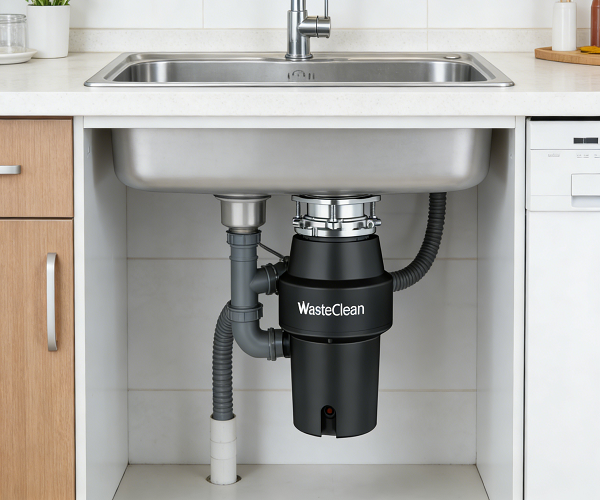
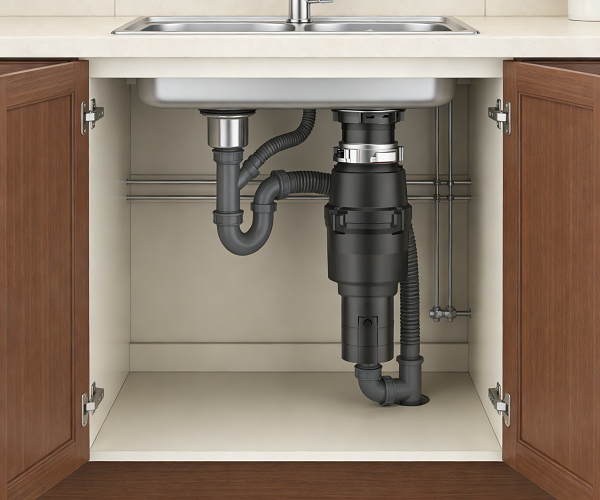
Inside the unit, a spinning plate called an impeller flings food waste against a stationary grind ring using centrifugal force, not sharp blades like a blender. The ring's ridges shred the waste into fine particles small enough to pass through drain pipes. Water running during operation carries those particles away, which is why disposals need the tap on to function properly.
How Much Does a Household Garbage Disposal Cost to Install?
Unit prices generally range from budget models under a hundred dollars to higher-horsepower units well above two hundred, with professional installation adding labor cost on top. Because plumbing configurations, local labor rates, and permit requirements vary widely by region, it's worth getting a quote from a licensed plumber before budgeting a final number. DIY installation is possible for anyone comfortable with basic plumbing, but electrical wiring for hardwired units often calls for a licensed electrician.
| Motor Size | Typical Use Case | Feed Type |
|---|---|---|
| 1/3 HP | Light use, small households | Continuous feed |
| 1/2 HP | Average daily cooking | Continuous or batch feed |
| 3/4 HP and up | Frequent cooking, larger families | Continuous feed or batch feed |
Why Does a Garbage Disposal Jam or Smell?
Jams almost always come from fibrous or starchy waste that wraps around the impeller instead of breaking apart, think celery strings, potato peels, or corn husks. Odors usually form when food particles get trapped under the splash guard or in the grind chamber and sit there decomposing between uses. Running cold water for thirty seconds after grinding, rather than shutting it off immediately, flushes out residue that would otherwise sit and rot.
What Should Never Go Down a Household Garbage Disposal?
Certain materials cause disproportionate damage relative to how harmless they seem going in. A short list worth memorizing:
- Grease, oil, and fat, which solidify inside pipes downstream
- Bones and fruit pits, which are hard enough to damage the grinding components
- Coffee grounds, which can accumulate in pipes and traps rather than washing away cleanly
- Pasta, rice, and eggshells, which can swell or create residue that contributes to clogs
How Long Should a Household Garbage Disposal Last?
Most units run somewhere between eight and fifteen years depending on usage frequency, water quality, and how strictly the household avoids the materials listed above. Stainless steel grind components tend to outlast galvanized steel ones because they resist corrosion from acidic food waste. For manufacturers producing these units at scale, that durability tradeoff between component materials is one of the more consistent variables buyers ask about when comparing OEM specifications, and it's something we account for across our product range built for distributors sourcing under different voltage and certification requirements.
Is a Garbage Disposal Bad for Plumbing or the Environment?
Not inherently, though the answer depends on your local wastewater treatment infrastructure and whether the home uses a municipal sewer or a septic system. Municipal systems built to process organic solids often handle disposal output without issue, while septic systems may require more careful use and maintenance to avoid adding excess solids. Anyone unsure which category their home falls into should check with a local plumber or septic professional rather than guess, since the wrong assumption here can lead to costly repairs.
Choosing the right household garbage disposal comes down to matching motor size to cooking habits, respecting the short list of materials to avoid, and picking a unit built with corrosion-resistant components. Get those three things right, and a household garbage disposal becomes one of the more forgettable, reliable appliances in the kitchen, in the best possible sense.
Related News
SUBSCRIBE
INQUIRY