
Food Waste Disposer Maintenance Checklist for Homeowners
A food waste disposer can make everyday kitchen cleanup faster, but like any appliance with a motor and moving components, it needs regular care. Proper maintenance helps prevent unpleasant odors, slow drainage, jams, leaks, and unnecessary motor strain.
For homeowners, the good news is that most food waste disposer maintenance does not require complicated tools or professional service. A simple routine of proper operation, regular cleaning, and periodic inspection can keep the unit working efficiently for years.
This food waste disposer maintenance checklist explains what to check daily, weekly, monthly, and when problems appear.
1. Run Cold Water Before, During, and After Use
One of the simplest maintenance habits is also one of the most important: use cold water when operating the disposer.
Turn on the cold water before switching on the disposer, continue running it while food waste is being processed, and keep the water running for several seconds after grinding stops. The water helps move ground food particles through the drain system and reduces the chance of waste remaining inside the discharge path.
Cold water can also help prevent grease and fats from remaining in a liquid state and coating the drain pipes. However, homeowners should still avoid putting cooking oil, grease, or large quantities of fatty food into the disposer.
Maintenance checklist:
- Run cold water before starting the disposer.
- Keep water running while grinding.
- Continue rinsing for several seconds afterward.
- Avoid using hot water as the primary flushing method for greasy food waste.
2. Clean the Food Waste Disposer Regularly
Food particles can accumulate around the grinding chamber, splash guard, and drain area over time. Even when the disposer is working normally, this buildup can contribute to unpleasant smells.
For routine cleaning, first make sure the disposer is switched off. Never put your hands inside the grinding chamber. Use an appropriate long-handled brush or cleaning method recommended by the manufacturer to remove accessible residue.
Small amounts of baking soda can also be used as part of an occasional cleaning routine. Some homeowners also use citrus peels to freshen the disposer, although citrus should be used in moderation.
Regular cleaning is especially important if the disposer is used frequently.
3. Check the Splash Guard
The splash guard is an easily overlooked component of a food waste disposer. It helps reduce splashing and prevents larger food particles from coming back through the sink opening.
Inspect the splash guard periodically for excessive wear, damage, or buildup. A deteriorated splash guard may contribute to water splashing around the sink opening and can allow food residue to accumulate more easily.
If the splash guard is damaged, replace it according to the disposer manufacturer's instructions rather than attempting an improvised repair.
4. Avoid Foods That Can Cause Jams or Clogs
Proper food selection is an important part of disposer maintenance. Although modern food waste disposers are designed to process many types of food scraps, not everything belongs in the grinding chamber.
Avoid or limit materials that can create excessive strain, clogging, or drainage problems, including:
- Large bones
- Metal, glass, plastic, or other non-food materials
- Large quantities of grease or cooking oil
- Highly fibrous materials such as celery and corn husks
- Large quantities of starchy foods
- Excessive amounts of tough or hard food waste
Fibrous materials can wrap around internal components, while starchy foods may swell or form a thick paste that contributes to drainage problems.
Instead of feeding a large quantity of scraps at once, introduce food waste gradually and allow the disposer to process each portion properly.
5. Inspect for Unusual Noises
A healthy disposer should operate with a relatively consistent sound. A sudden rattling, grinding, squealing, or unusually loud vibration should not be ignored.
Unusual noises may indicate a foreign object, an obstruction, loose mounting hardware, or worn internal components.
If you hear an abnormal sound:
- Turn off the disposer.
- Disconnect electrical power before inspecting it.
- Never place your hands inside the grinding chamber.
- Use appropriate tools, such as tongs, to remove an accessible foreign object.
- If the noise continues, contact a qualified professional or follow the manufacturer's service instructions.
Early attention can prevent a minor issue from developing into a more expensive repair.
6. Check for Leaks Around the Unit
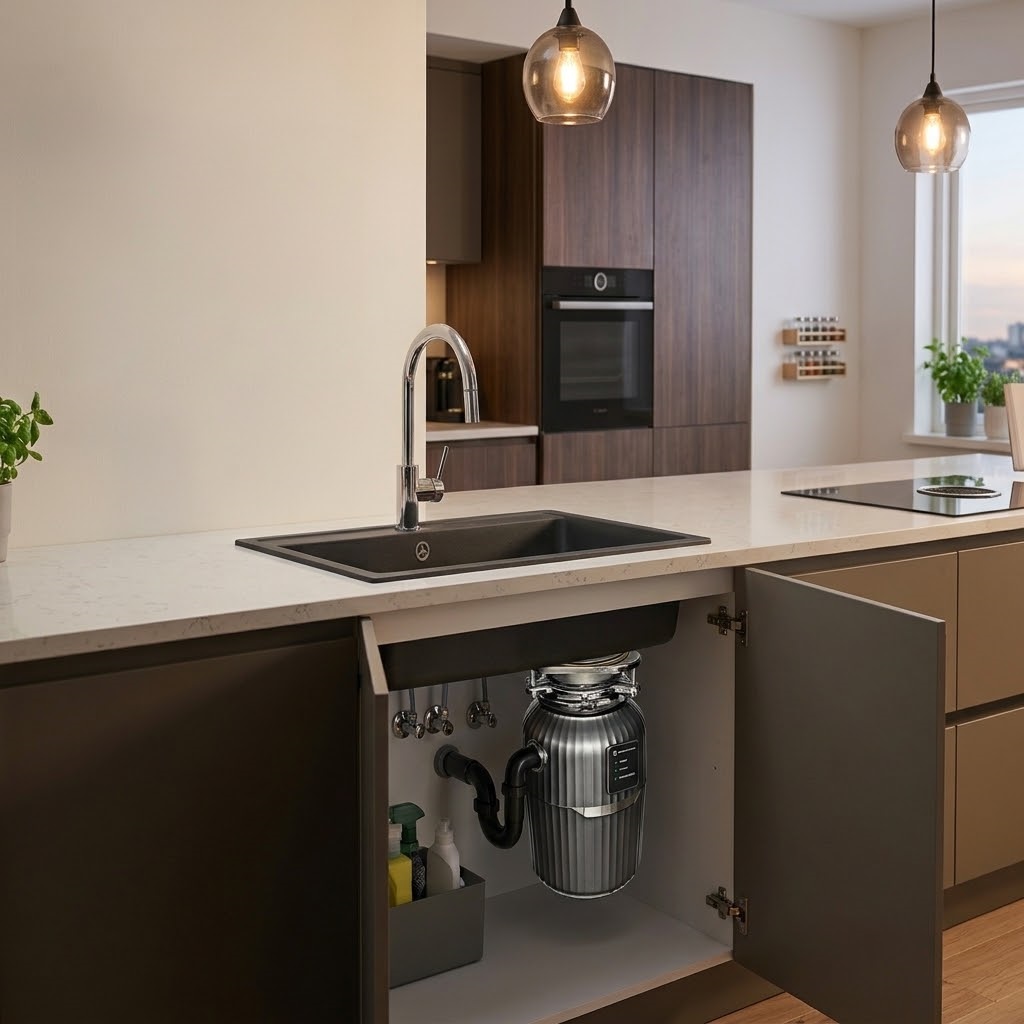
A food waste disposer is connected directly to the sink and drain plumbing, so leaks should be addressed promptly.
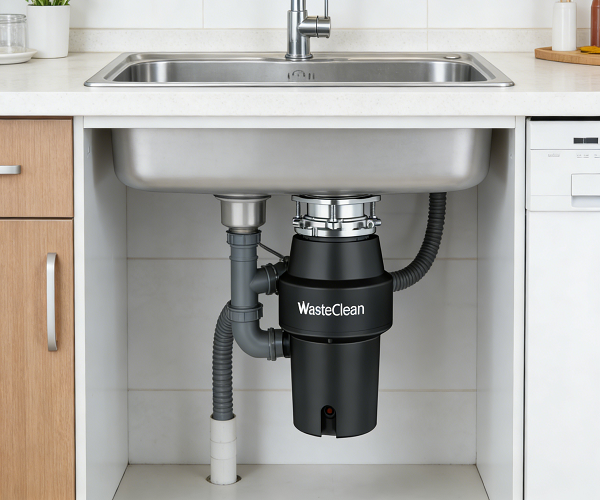
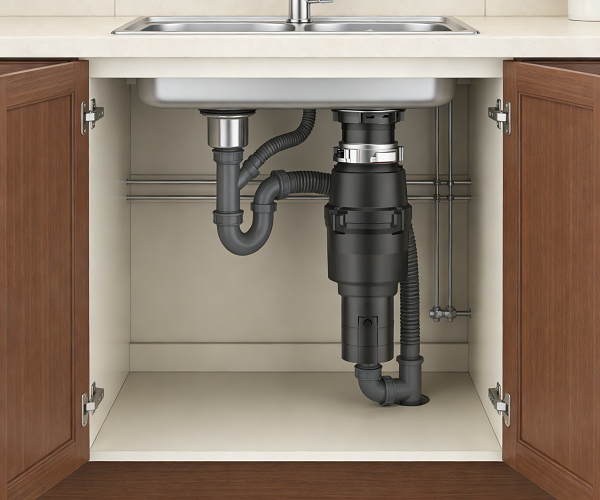
Periodically inspect the area underneath the sink for signs of moisture. Pay particular attention to the sink connection, disposer mounting area, drain connection, dishwasher inlet connection, and nearby plumbing joints.
Common causes of leakage can include loose connections, worn gaskets, damaged seals, or a cracked component.
If the disposer itself appears cracked or water is entering electrical components, stop using the unit and seek professional assistance.
7. Prevent Motor Overload
Putting too much food waste into a disposer at one time can increase the load on the motor. Repeated overloading may cause the motor's protection system to shut the unit down.
Feed food scraps gradually instead of filling the grinding chamber with a large amount at once. Allow the disposer to process the material before adding more.
If the disposer stops because of an overload, switch it off and allow the motor to cool. Some models include a reset mechanism designed to restore operation after an overload or jam. Always follow the specific instructions provided with your model.
Do not bypass thermal or electrical safety mechanisms.
8. Know How to Handle a Jam Safely
A disposer that hums but does not grind may be experiencing a jam. A jam can result from hard food particles, foreign objects, or fibrous materials becoming lodged around the grinding components.
Safety should always come first.
Turn off the disposer and disconnect its power source before attempting to inspect or clear a jam. Never reach into the grinding chamber with your hand, even if the disposer appears to be switched off.
If your model provides a manual turning mechanism or reset function, use it according to the manufacturer's instructions. If you cannot safely remove the obstruction, contact a qualified technician.
ZAL's disposer guidance similarly recommends turning off power before addressing jams and using appropriate tools rather than your hands.
9. Keep the Drain System Clear
A disposer can be operating correctly while the connected drain system is developing a clog.
Slow drainage is a warning sign that should not be ignored. Food residue, grease, and inappropriate waste can accumulate in the plumbing and restrict water flow.
If the sink begins draining more slowly than usual:
- Stop adding additional food waste.
- Run cold water and observe the drainage.
- Check for obvious problems around the disposer and drain connection.
- Use an appropriate mechanical method to clear a minor blockage when suitable.
- Avoid aggressive chemical drain cleaners unless specifically approved by the disposer manufacturer.
Persistent slow drainage may require professional plumbing service.
10. Perform a Monthly Maintenance Check
Homeowners can establish a simple monthly inspection routine.
Check the following:
- Is the disposer producing unusual odors?
- Does it start and stop normally?
- Is the motor sound consistent?
- Is the sink draining normally?
- Are there any leaks underneath the sink?
- Is the splash guard intact?
- Are mounting and plumbing connections secure?
- Has the unit been experiencing repeated jams?
- Is the reset mechanism being triggered more frequently than usual?
Keeping track of these symptoms can help identify gradual performance changes before they become major failures.
11. Use the Disposer Regularly but Correctly
A food waste disposer is designed to be used as part of normal kitchen waste management. Occasional operation with appropriate food waste can help prevent stagnant residue from accumulating.
However, regular use does not mean continuous operation. Avoid running the disposer unnecessarily or operating it for extended periods without sufficient water and food waste.
The correct approach is simple: use the disposer when needed, feed waste gradually, provide adequate cold-water flow, and stop operation when grinding is complete.
12. Replace the Unit When Maintenance Is No Longer Enough
Even a well-maintained disposer will eventually experience mechanical or electrical wear.
Frequent jams, persistent leaks, repeated overheating, severe corrosion, unusual mechanical noises, or recurring electrical problems may indicate that repair or replacement is more practical than continued maintenance.
The expected service life depends on the model, construction quality, usage frequency, food waste habits, and maintenance routine. ZAL's published guidance estimates that a well-maintained garbage disposal can commonly last around 8–15 years, although actual service life varies by product and operating conditions.
When replacement becomes necessary, homeowners should consider motor power, grinding configuration, noise level, available sink space, electrical requirements, and installation compatibility rather than choosing solely by horsepower.
Food Waste Disposer Maintenance Checklist
For quick reference, homeowners can follow this routine:
Daily
- Run cold water before, during, and after operation.
- Feed food waste gradually.
- Avoid grease, non-food objects, and problematic materials.
- Listen for unusual sounds.
Weekly
- Check for odors and residue.
- Inspect the sink opening and splash guard.
- Confirm that drainage remains normal.
Monthly
- Inspect the disposer and plumbing connections for leaks.
- Check for loose mounting or drain connections.
- Clean the disposer according to the manufacturer's recommendations.
- Look for signs of repeated jams or overheating.
When Problems Occur
- Turn off power before inspecting a jam.
- Never put your hands into the grinding chamber.
- Do not ignore leaks, repeated electrical trips, or unusual noises.
- Contact a qualified professional when a problem cannot be safely resolved.
Conclusion
Maintaining a food waste disposer does not need to be complicated. The most effective strategy is consistent preventive care: use cold water, feed food waste gradually, avoid unsuitable materials, clean the unit regularly, inspect for leaks, and respond quickly to unusual noises or repeated jams.
For homeowners choosing a new unit, maintenance should also be considered during the purchasing process. A disposer with an appropriate motor, grinding system, noise-control design, and reliable construction can make everyday kitchen waste management more convenient.
ZAL provides household food waste disposer solutions across multiple product series, including Slim, Power, Smart, Quiet, and OEM models, with different configurations for residential applications.
With the right maintenance routine and responsible daily use, a food waste disposer can remain a dependable part of the modern kitchen for many years.
Related News
SUBSCRIBE
INQUIRY