
Food Waste Disposal Unit: Straight Answers to the Questions Buyers Ask First
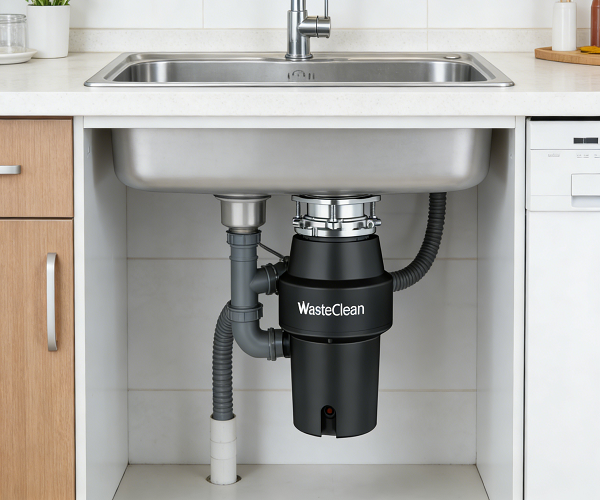
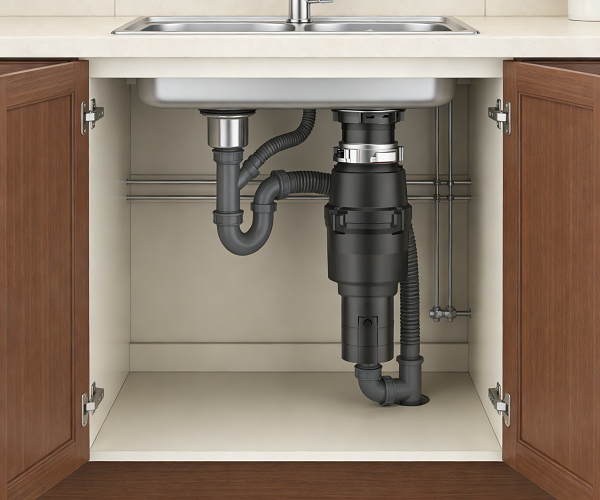
A food waste disposal unit sits under the sink and quietly rewrites what happens to your dinner scraps. Instead of a bag rotting in a bin for days, the waste gets ground fine enough to travel through your plumbing. That's the whole premise. But the questions people actually search before buying one are narrower than that, and they deserve straight answers, not a marketing pitch.
What Does a Food Waste Disposal Unit Actually Do?
It turns solid food scraps into small particles that flow with water through the drain pipe. There's no combustion, no drying, no composting chemistry involved. It's mechanical, almost blunt in its simplicity, which is part of why the design has barely changed in decades.
How Does It Actually Grind the Scraps?
Here's a detail most people get wrong: there are no spinning blades inside. A rotating plate called an impeller (sometimes called a flywheel) uses small lugs to fling food against a stationary grind ring lined with grooves. Centrifugal force does the shredding, not sharp edges. That's why sticking a spoon down there rarely ends in a bloody story, though it's still a bad idea.
Why Do Some Kitchens Skip Installing One?
A few real reasons come up again and again:
- Older plumbing with narrow or corroded pipes that can't handle the added load
- Septic systems that need a specific, more powerful model to avoid overloading the tank
- Local municipal codes, which restrict or ban disposal units in some cities
- Concern about noise, since some entry-level motors run louder than expected
None of these rule out ownership. They just mean the decision depends on your plumbing and your address, not the appliance itself.
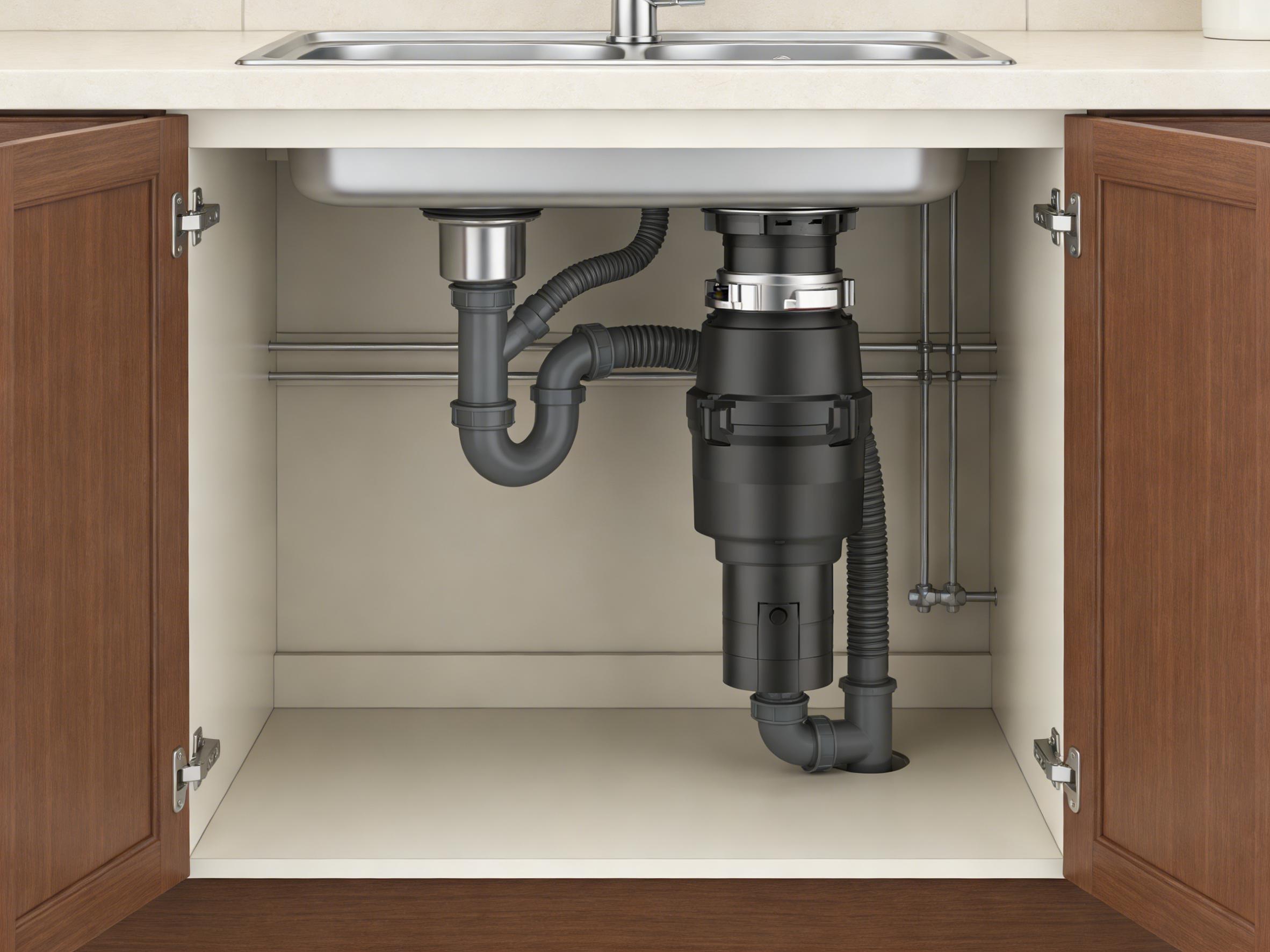
How Much Does It Cost to Run?
Motors typically range from about 1/3 horsepower in compact home models up to 1 horsepower in units built for heavier daily use. Electricity draw per use is small, closer to running a light bulb for a minute than a major appliance. Utility rates vary by region and change over time, so check current electricity pricing locally rather than relying on a fixed number.
What Should You Check Before Buying?
Two structural choices matter more than brand names:
| Feature | Continuous Feed | Batch Feed |
|---|---|---|
| Operation | Switch turns it on while feeding waste in | Special stopper triggers it, feeding first |
| Speed of use | Faster for daily cooking cleanup | Slower, but safer around children |
| Typical cost | Lower | Higher |
Beyond that, look at whether the grind components are stainless steel or galvanized steel, since stainless resists corrosion better over years of contact with acidic food waste. For us, having spent over two decades manufacturing these units for kitchen brands worldwide, this is the detail that separates a disposal that lasts five years from one that lasts fifteen.
Can It Handle Every Type of Food Waste?
No, and this is where most jams happen. Fibrous vegetables like celery or corn husks tangle around the impeller instead of shredding cleanly. Grease and cooking oil solidify inside pipes further down the line, causing blockages that have nothing to do with the unit itself. Small amounts of soft bone from fish or poultry are fine in most standard models, but anything harder should stay out. Septic-safe versions exist specifically for households on septic tanks, and they're worth confirming before purchase rather than assuming any unit will work.
A food waste disposal unit isn't a magic trash solution, it's a specific tool for a specific kind of waste. Match the model to your plumbing, your household size, and what you actually cook, and it earns its place under the sink for years.
Related News
SUBSCRIBE
INQUIRY