
Compact Kitchen Waste Disposer Solutions for Small Apartments
Urban living often means adapting to smaller kitchens, tighter layouts, and limited storage. Yet modern residents still expect the same level of hygiene, efficiency, and convenience found in larger homes. One appliance that significantly improves kitchen cleanliness is the kitchen waste disposer. Traditionally associated with spacious kitchens, today’s compact waste disposer solutions are specifically engineered for small apartments, combining powerful performance with space-saving design. This article explores how compact kitchen waste disposers work, their benefits, installation considerations, and why they are becoming essential appliances in modern apartment living.
The Growing Need for Compact Waste Management Solutions
Small apartments present unique challenges when it comes to kitchen waste management. Limited counter space, smaller cabinets, and restricted plumbing configurations make it difficult to install conventional appliances. At the same time, food waste remains unavoidable. Vegetable peels, leftover scraps, and small food residues can quickly accumulate, leading to unpleasant odors, bacterial growth, and hygiene concerns.
Compact kitchen waste disposers address this issue directly by grinding food waste into fine particles that can safely pass through plumbing systems. Instead of storing organic waste in bins that require frequent disposal, residents can eliminate waste instantly at the sink. This is especially important in densely populated cities, where waste management efficiency contributes to cleaner living environments and improved sustainability.
What Is a Compact Kitchen Waste Disposer ?
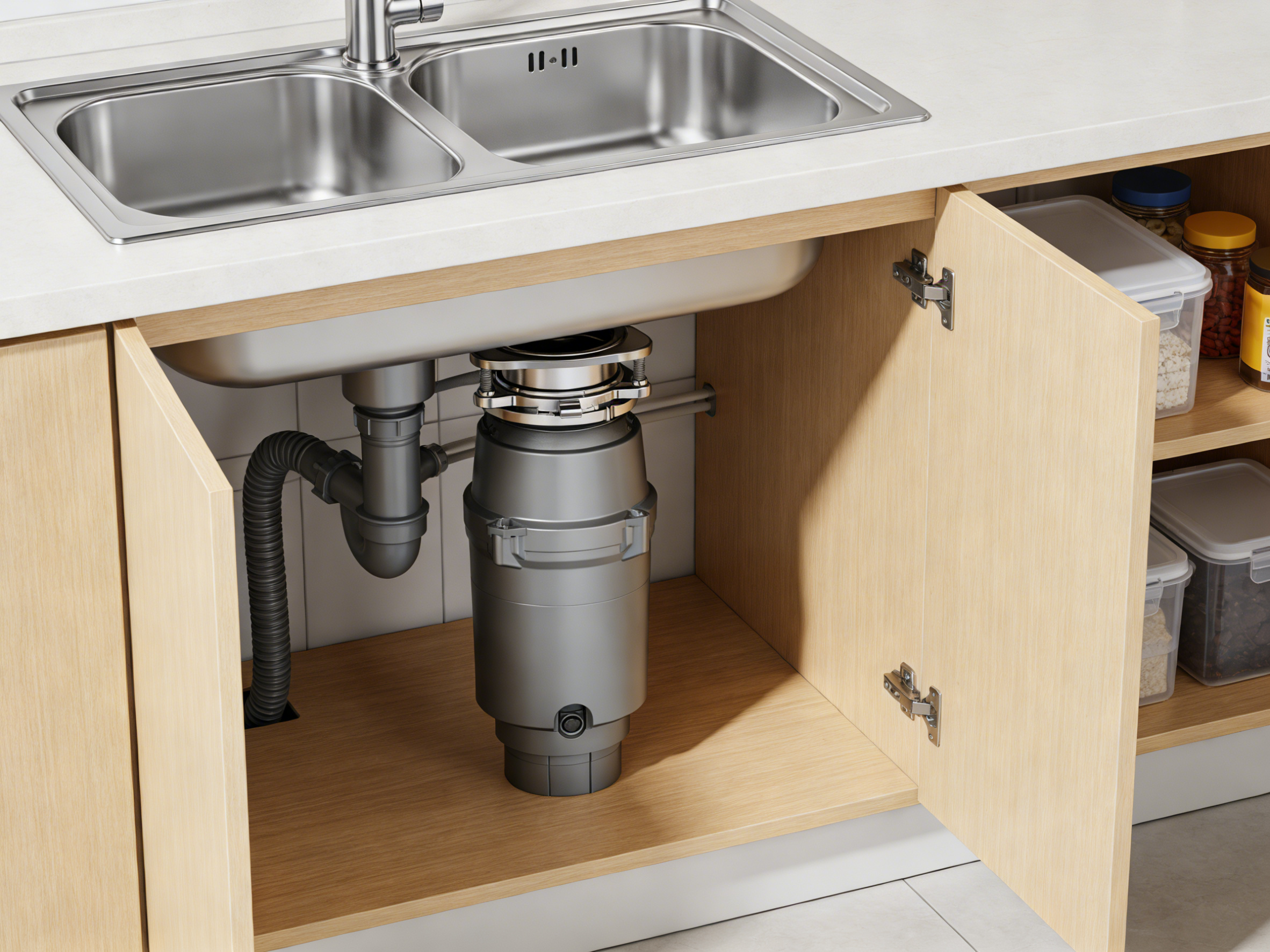
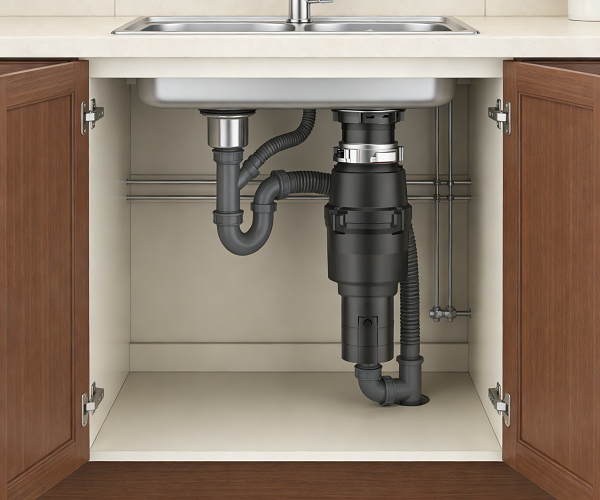
A compact kitchen waste disposer is a smaller, space-efficient version of a standard garbage disposal unit. Installed beneath the kitchen sink, it uses a high-speed motor and grinding components to break down food waste into fine particles that flow safely through the drainage system.
Unlike older, bulky models, compact disposers are designed with reduced height and diameter, making them suitable for tight under-sink spaces. Despite their smaller size, modern compact units deliver reliable grinding performance for everyday household waste.
Key components include:
-
Motor: Powers the grinding mechanism
-
Grinding chamber: Breaks down food waste
-
Impellers: Push waste toward the grinding ring
-
Drain outlet: Allows ground waste to exit safely
-
Housing: Designed for durability and noise reduction
Advanced designs also incorporate sound insulation and anti-jam technology.
Benefits of Compact Waste Disposers for Small Apartments
1. Space-Saving Design
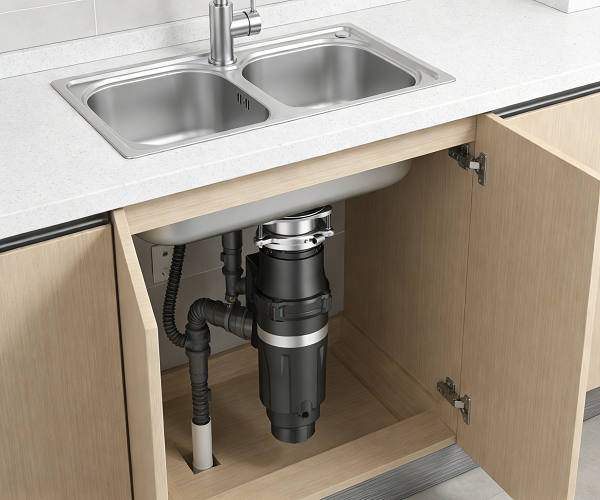
The primary advantage of compact disposers is their reduced size. They fit comfortably beneath sinks without interfering with storage areas or plumbing connections. This allows apartment residents to maximize cabinet space for cleaning supplies and other essentials.
Slim vertical profiles and smaller diameters make installation possible even in narrow sink cabinets.
2. Improved Kitchen Hygiene
Food waste left in trash bins can quickly produce unpleasant odors and attract pests. Compact disposers eliminate waste immediately, reducing bacterial buildup and keeping kitchens cleaner. This is especially valuable in apartments where waste bins are stored indoors.
3. Convenience and Time Efficiency
Instead of separating food scraps and emptying bins frequently, users can dispose of waste instantly while washing dishes. This simplifies kitchen cleanup and reduces the need for constant waste handling.
The result is a more efficient daily routine.
4. Environmentally Friendly Waste Management
Compact disposers help reduce the amount of organic waste sent to landfills. Ground food waste can be processed through wastewater treatment systems, where it may contribute to renewable energy production such as biogas.
This supports more sustainable urban waste management practices.
5. Modern Quiet Operation
Noise is a common concern in apartment living. Modern compact waste disposers use sound insulation, balanced motors, and vibration-reducing components to minimize operational noise.
Key Features to Look for in Compact Waste Disposers
When selecting a waste disposer for a small apartment, several features are particularly important.
Compact Dimensions
Choose models specifically labeled as compact or space-saving. These units are shorter in height and fit more easily beneath sinks.
Adequate Motor Power
Compact does not mean weak. A motor between 0.5 and 0.75 horsepower is typically sufficient for apartment use. This provides enough grinding power for everyday food waste without requiring excessive space.
Anti-Jam Technology
Anti-jam systems automatically reverse the grinding mechanism if blockage occurs. This protects the motor and ensures reliable operation.
Sound Insulation
Noise-reducing insulation improves comfort, especially in apartments with open kitchen layouts.
Corrosion-Resistant Materials
Grinding components made from stainless steel resist corrosion and extend the lifespan of the unit.
Installation Considerations in Small Apartments
Installing a compact waste disposer requires attention to space, plumbing compatibility, and electrical access.
Under-Sink Space
Measure cabinet height, width, and depth carefully. Compact models are specifically designed to fit limited vertical clearance.
Plumbing Configuration
Ensure the disposer outlet aligns with existing drain pipes. Compact models often offer flexible installation options.
Electrical Connection
Most waste disposers require a nearby power outlet. Some apartments may require professional electrical installation.
Professional Installation vs DIY
While some homeowners install disposers themselves, professional installation ensures proper alignment, leak prevention, and safe electrical connections.
In apartments, professional installation is often recommended due to limited space and building regulations.
Maintenance Tips for Compact Waste Disposers
Proper maintenance ensures long-term reliability and optimal performance.
Run Cold Water During Operation
Cold water helps solidify grease, allowing it to grind properly and move safely through pipes.
Avoid Hard or Non-Food Materials
Do not dispose of bones, metal, plastic, or fibrous materials like corn husks unless the unit is designed to handle them.
Clean Regularly
Grinding ice cubes and citrus peels can help clean the grinding chamber and reduce odors.
Avoid Chemical Cleaners
Harsh chemicals can damage internal components. Use natural cleaning methods when possible.
Compact Waste Disposers and Modern Urban Living
As urban apartments continue to shrink in size, appliances must adapt. Compact kitchen waste disposers represent an important innovation in space-efficient kitchen technology. They provide a practical solution to food waste management while maintaining the convenience and hygiene expected in modern homes. Manufacturers are increasingly focusing on compact designs that deliver strong performance without requiring large installation space. These innovations allow apartment residents to enjoy the same benefits previously available only in larger kitchens.
Why Compact Disposers Are Becoming Essential Appliances ?
Several trends are driving the growing adoption of compact waste disposers:
-
Increased urbanization
-
Smaller apartment sizes
-
Greater emphasis on hygiene
-
Improved disposer technology
-
Growing environmental awareness
These factors make compact waste disposers an attractive addition to modern apartment kitchens.
Conclusion
Zaldisposer compact kitchen waste disposer solutions offer an effective, convenient, and hygienic way to manage food waste in small apartments. Their space-saving design, reliable performance, and environmentally friendly operation make them ideal for urban living. By choosing a compact, high-quality disposer and ensuring proper installation and maintenance, apartment residents can enjoy cleaner kitchens, improved convenience, and better waste management.
Related News
SUBSCRIBE
INQUIRY