
Compact Garbage Disposal: What You Need to Know Before Buying
A tight kitchen layout has a way of ruling out appliances that would work fine anywhere else. That's usually where the question of a compact garbage disposal comes up. Buyers searching for this term are rarely browsing out of curiosity, they're standing in front of a base cabinet trying to figure out what actually fits. This guide answers the questions that come up most, from sizing to installation to whether a smaller unit means giving up grinding power.
What Makes a Garbage Disposal "Compact"?
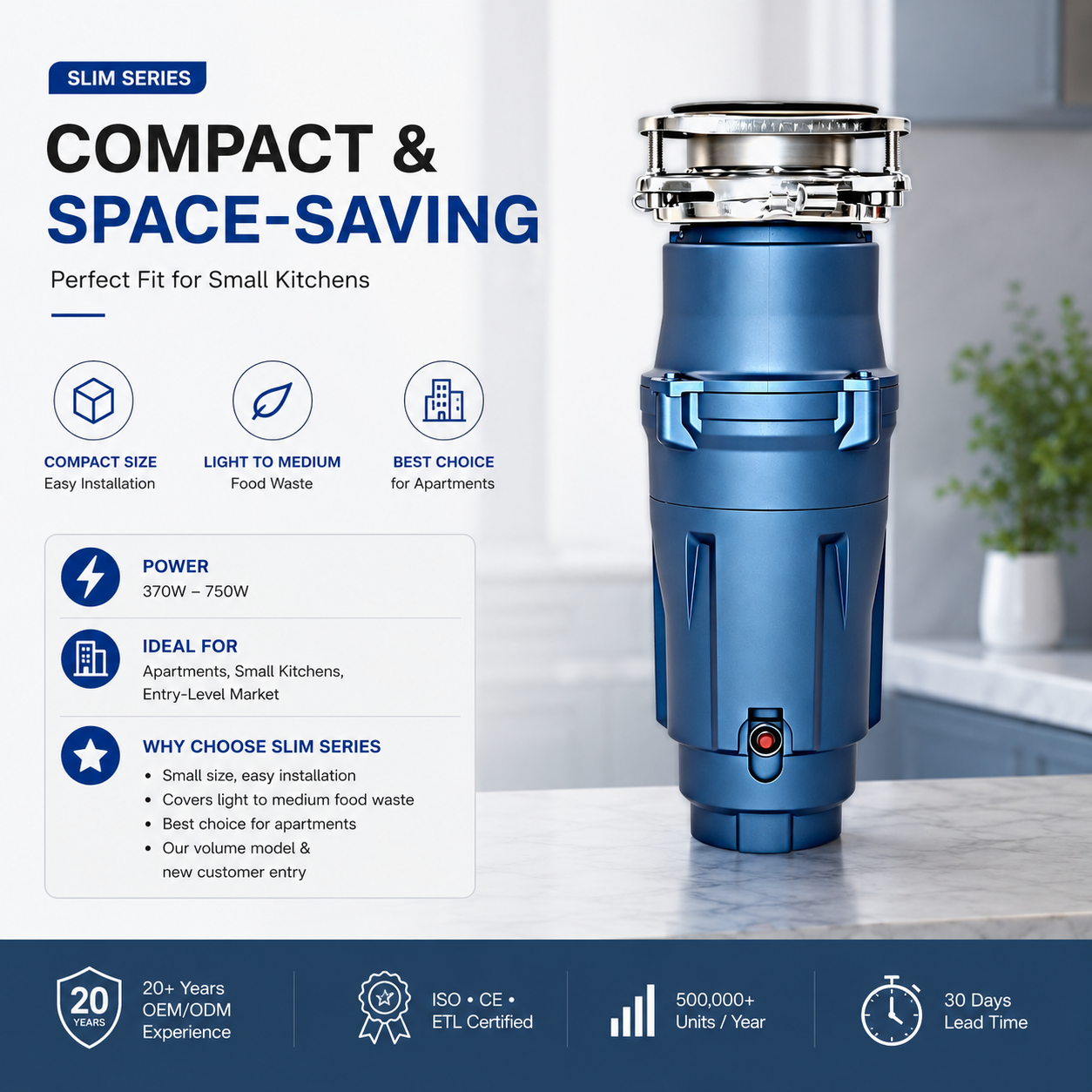
A compact garbage disposal is defined mainly by its vertical height and grinding chamber volume, not by its horsepower alone. Standard units often run taller than many compact models, and compact versions reduce that height enough to help in tighter installations. That difference matters most under sinks with shallow cabinets, low drain lines, or a garbage can already competing for space.
Why Do Small Kitchens Need a Compact Unit?
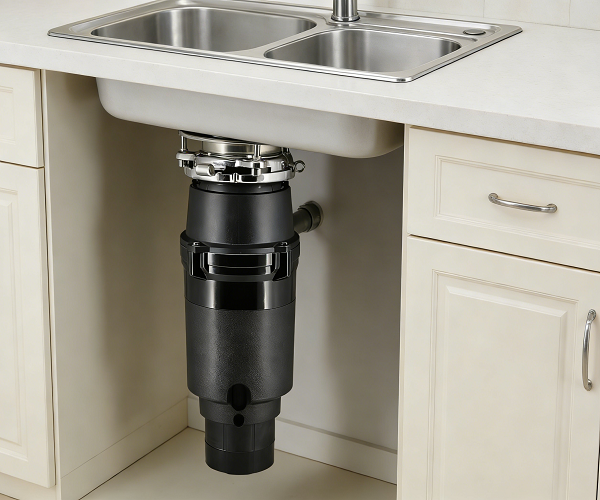
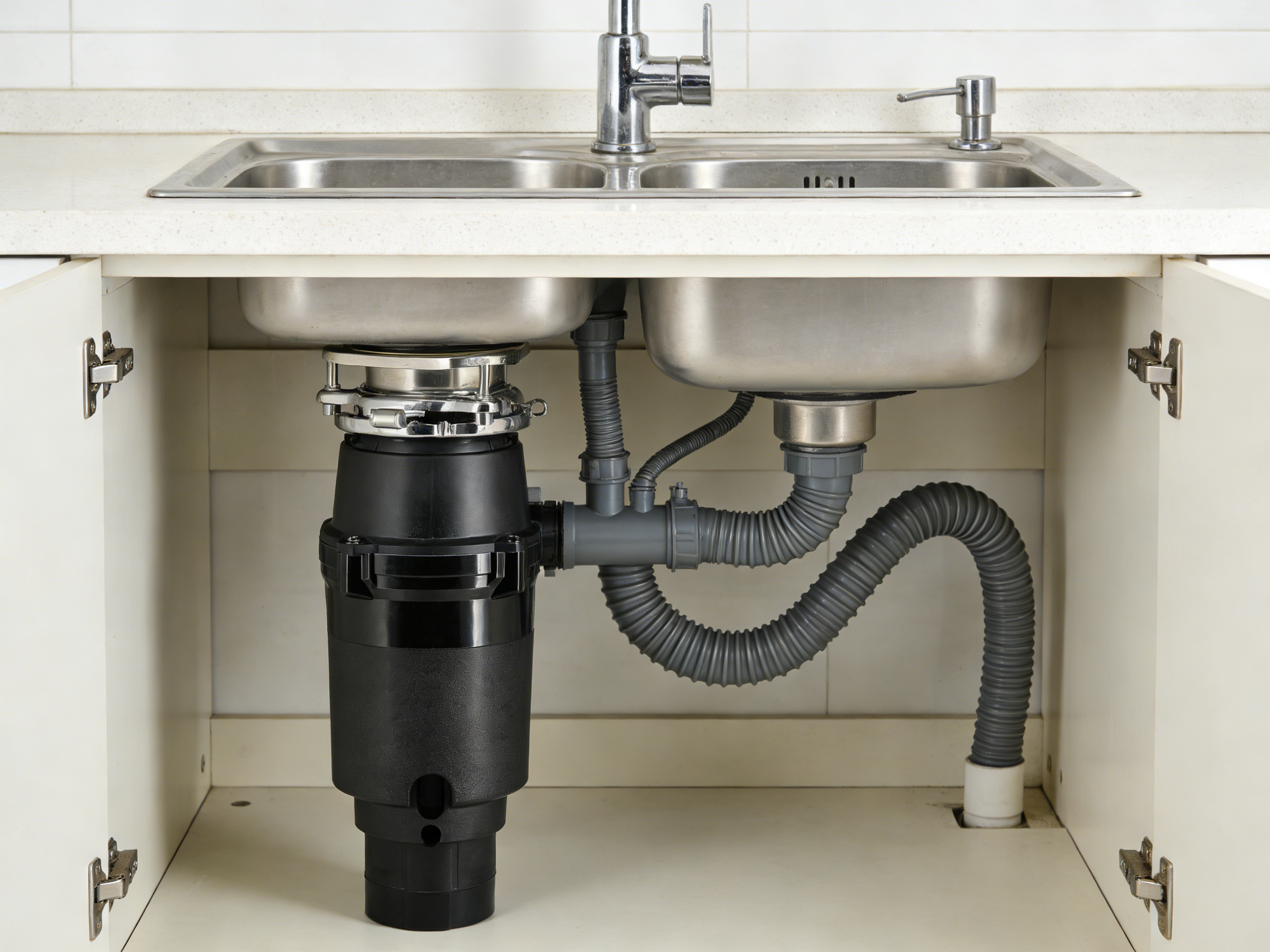
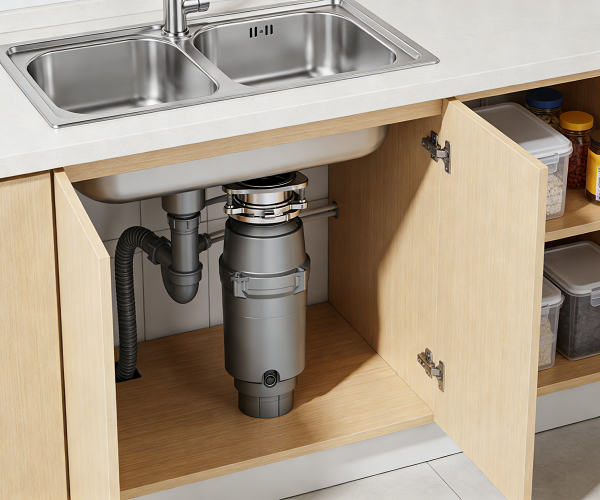
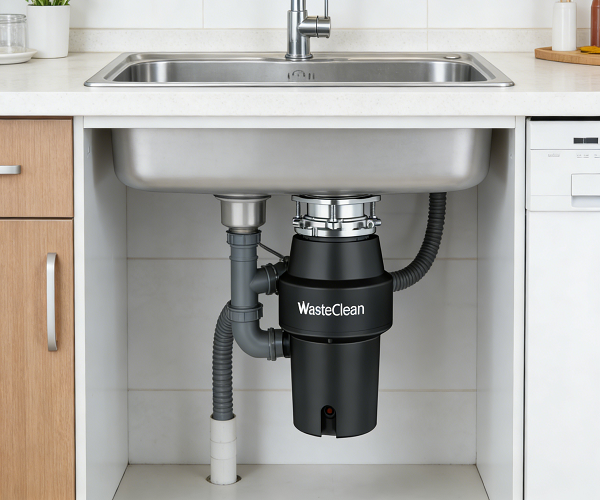
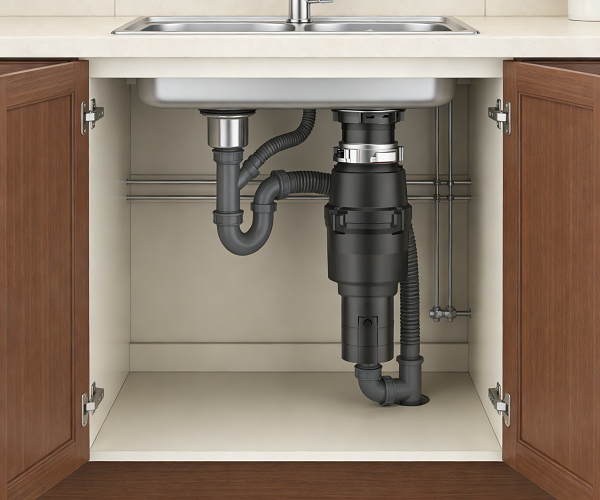
Cabinet depth is one common constraint, but available height and plumbing layout are often just as important. Apartments, tiny homes, and older houses with shallow under-sink plumbing often can't accommodate a full-size disposal without interfering with the P-trap, drain outlet alignment, or nearby cabinet structure. A compact model solves this by shortening the grinding chamber housing, giving installers more clearance to route the drain properly.
Does Compact Mean Weaker Grinding Power?
Not necessarily. Size and motor strength are separate specifications, and a shorter unit can still carry a motor comparable to many standard models. The tradeoff tends to show up in batch capacity instead, since a smaller grinding chamber processes less waste per cycle before needing a pause. For a household of one or two people, this rarely becomes a practical issue.
| Feature | Compact Disposal | Standard Disposal |
|---|---|---|
| Height | Shorter profile, often around 10–12 in | Taller profile, often around 13–17 in |
| Motor range | Varies by model | Varies by model |
| Best for | Small households, tight cabinets | Larger households, heavier daily use |
How Much Does a Compact Garbage Disposal Cost?
Pricing varies by motor size, warranty length, and brand, so treat any figure here as a general reference rather than a quote. Budget compact models typically sit at the lower end of the disposal market overall, while premium versions with stainless components and longer warranties cost more. Checking current retailer listings is the most reliable way to confirm actual pricing before purchase.
How Is a Compact Disposal Installed Under a Small Sink?
Installation follows the same basic sequence as a standard unit: mounting the sink flange, attaching the disposal body, then connecting it to the drain trap and dishwasher line if applicable. The shorter housing on a compact garbage disposal simply gives more room to work with when space under the sink is limited, which is often the deciding factor for DIY installers.
What Should You Check Before Buying One?
A few details separate a good fit from a frustrating one:
- Available vertical clearance below the sink and around the drain outlet
- Motor horsepower relative to typical household food waste volume
- Noise insulation, since compact chambers can sometimes run louder
- Warranty terms, particularly for the motor and grinding components
Manufacturing compact units at scale means engineering that shorter chamber without sacrificing the torque needed to handle everyday food waste, a balance that shapes how these smaller disposals are designed from the ground up. Getting the sizing and motor spec right before purchase avoids the common mistake of buying based on price alone. A compact garbage disposal isn't a downgrade, it's a different set of tradeoffs suited to kitchens where cabinet space and plumbing clearance, not grinding power, are the limiting factors.
Related News
SUBSCRIBE
INQUIRY