
Common Problems with Food Waste Disposers and How to Fix Them
Zaldisposer food waste disposer, also known as a kitchen garbage disposal or kitchen waste disposer, is an indispensable appliance in modern kitchens. It allows homeowners to quickly and efficiently grind food waste, improving kitchen hygiene and reducing trash. However, like any mechanical appliance, disposers are not immune to problems. Understanding common issues and knowing how to fix them can save time, prevent costly repairs, and keep your kitchen running smoothly.
1. Disposal Won’t Turn On
Problem: You flip the switch, but the disposer makes no noise or movement.
Common Causes:
-
The unit is not receiving power.
-
The motor is overloaded or jammed.
-
The reset button has tripped.
Fixes:
-
Check the Power Supply: Make sure the disposal is plugged in and the circuit breaker has not tripped.
-
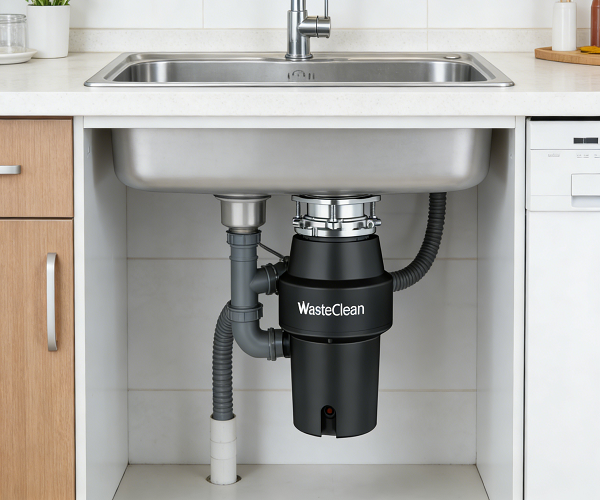
Press the Reset Button: Most disposers have a red reset button on the bottom of the unit. Press it to reset the motor.
-
Check for Jams: If the motor hums but doesn’t grind, the unit may be jammed (see section 2).
Tip: Always turn off the power before inspecting the unit to avoid injury.
2. Jammed Disposal
Problem: The disposal hums but does not grind food waste.
Common Causes:
-
Hard objects like bones or pits are stuck.
-
Fibrous materials (corn husks, celery, onion skins) have wrapped around the impellers.
Fixes:
-
Turn Off Power: Unplug the unit or turn off the circuit breaker.
-
Use a Hex Wrench: Most disposals come with a hex key to manually turn the motor from the bottom. Rotate to free the jammed impellers.
-
Remove Obstructions: If necessary, carefully remove any stuck items from the grinding chamber using tongs (never use your hands).
Tip: Regularly avoid grinding large bones or fibrous vegetables to prevent jams.
3. Leaking Disposal
Problem: Water leaks from the bottom, side, or mounting area.
Common Causes:
-
Loose connections in plumbing or mounting hardware.
-
Cracked or worn seals and gaskets.
-
Corrosion in the unit or pipes.
Fixes:
-
Tighten Connections: Check mounting bolts, drain connections, and dishwasher hose clamps.
-
Replace Gaskets: Worn or damaged seals can often be replaced easily.
-
Inspect for Cracks: If the unit itself is cracked, replacement may be necessary.
Tip: Leaks at the top (where the sink meets the disposal) may indicate a worn splash guard.
4. Strange Noises
Problem: Disposal makes rattling, grinding, or squealing noises.
Common Causes:
-
Small stones, metal utensils, or foreign objects in the disposal.
-
Worn bearings or impellers.
-
Loose mounting hardware.
Fixes:
-
Turn Off Power: Always ensure the unit is off.
-
Remove Foreign Objects: Check the grinding chamber for any non-food items.
-
Inspect Components: If the noise persists, internal parts like bearings may be worn and require professional repair or replacement.
Tip: Avoid putting metal utensils or non-food items down the sink to prevent damage.
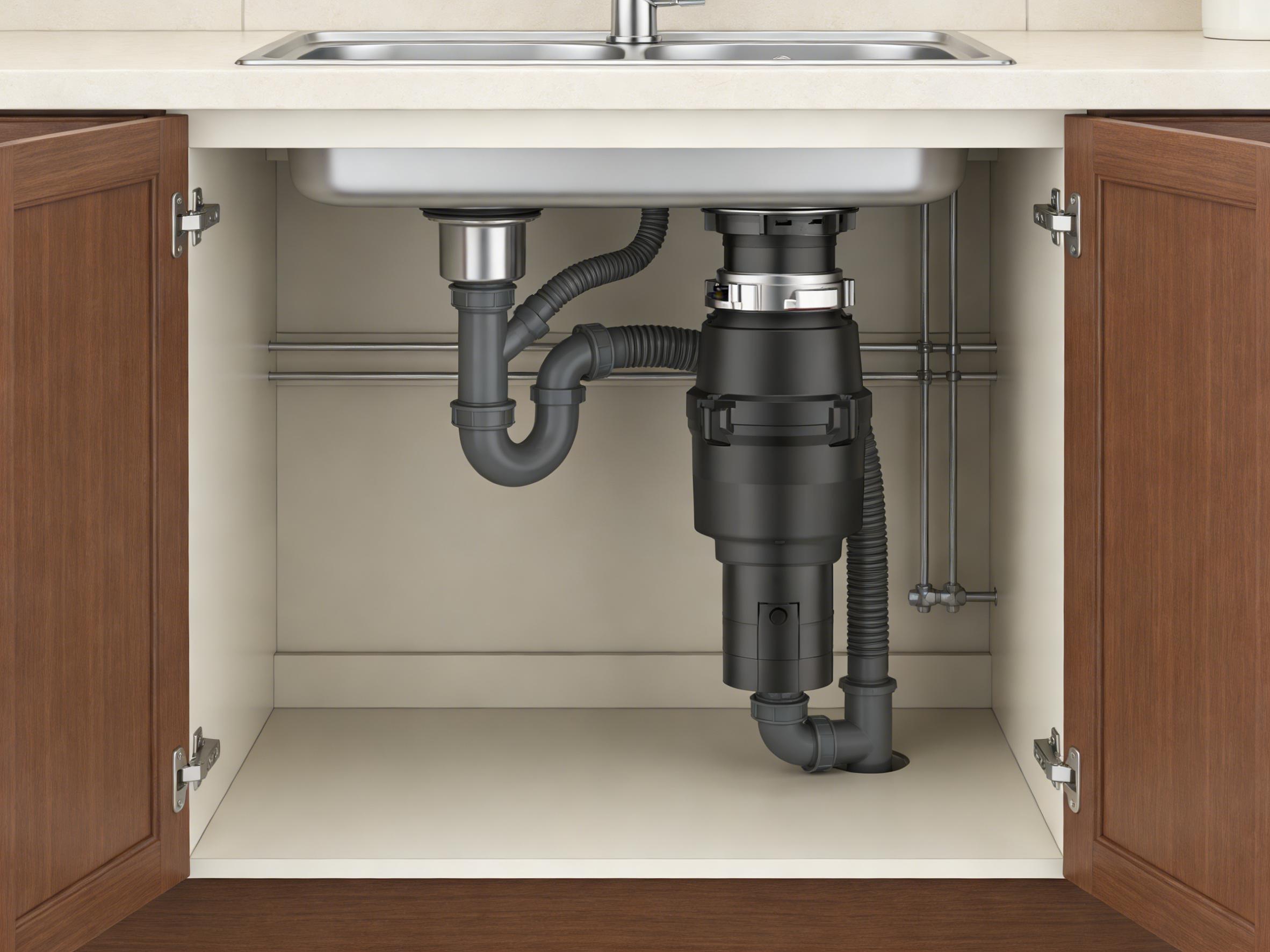
5. Foul Odors
Problem: The disposal emits a bad smell even after cleaning the sink.
Common Causes:
-
Food particles trapped in the grinding chamber.
-
Buildup of grease or bacteria.
Fixes:
-
Clean the Unit: Use a long-handled brush to remove trapped debris.
-
Run Citrus Peels: Grinding lemon or orange peels can neutralize odors.
-
Use Baking Soda and Vinegar: Pour a mixture of baking soda followed by vinegar, let it foam for a few minutes, then rinse with cold water.
-
Grind Ice Cubes: Ice helps remove residue from the grinding chamber and sharpens the impellers.
Tip: Regular cleaning prevents odor buildup and maintains unit efficiency.
6. Slow Draining Sink
Problem: Water drains slowly when the disposal is running.
Common Causes:
-
Food particles or grease clogging the plumbing.
-
Improper installation of the unit.
Fixes:
-
Flush with Cold Water: Always run cold water before, during, and after disposal use to help flush particles.
-
Clear Clogs: Use a plunger or plumber’s snake if necessary. Avoid chemical drain cleaners as they can damage the disposal.
-
Check Installation: Ensure the unit is properly aligned with the sink drain and pipes.
Tip: Avoid putting grease, oil, or fibrous foods down the disposer to prevent slow drainage.
7. Unit Overheats
Problem: The motor shuts off or trips repeatedly.
Common Causes:
-
Overloading the unit with large amounts of food at once.
-
Jams or obstructions increasing motor strain.
-
Prolonged continuous use.
Fixes:
-
Press the Reset Button: Allow the motor to cool for 10–15 minutes before resetting.
-
Feed Waste Gradually: Avoid dumping large amounts of food into the disposer at once.
-
Check for Jams: Ensure the grinding chamber is clear.
Tip: Never attempt to bypass the safety mechanisms; they protect the motor from permanent damage.
8. Electrical Problems
Problem: Disposal powers on intermittently or trips the circuit breaker.
Common Causes:
-
Loose or damaged wiring.
-
Faulty switch.
-
Water ingress into electrical components.
Fixes:
-
Turn Off Power: Ensure all electricity is off before inspecting.
-
Check Wiring Connections: Tighten loose wires or replace damaged cords.
-
Test the Switch: Replace faulty switches if necessary.
-
Professional Help: If the problem persists, consult a licensed electrician.
Tip: Avoid using extension cords or multiple adapters to power the unit; always plug directly into a grounded outlet.
9. Regular Maintenance Tips
Preventative maintenance can minimize common problems:
-
Run Cold Water Regularly: Helps flush food waste and solidify grease.
-
Use Disposal Occasionally: Regular operation prevents corrosion and keeps components lubricated.
-
Avoid Hard or Fibrous Foods: Prevents jams and prolongs motor life.
-
Clean Monthly: Grind ice cubes, citrus peels, and a small amount of baking soda to maintain freshness.
Following these simple steps extends the lifespan of your disposal and ensures smooth operation.
10. When to Call a Professional
While many minor issues can be fixed at home, professional service is recommended if:
-
The unit leaks from internal cracks.
-
Electrical issues persist despite troubleshooting.
-
Bearings or internal components are worn.
-
Noise or grinding problems continue after removing obstructions.
Professional technicians can provide safe repairs, ensuring your disposer functions efficiently for years.
Conclusion
Food waste disposers are incredibly useful appliances that improve kitchen hygiene, reduce food waste, and make cleanup easier. However, like any appliance, they can encounter problems such as jams, leaks, odors, slow drainage, or electrical issues. By understanding these common issues and following proper maintenance and troubleshooting procedures, homeowners can keep their disposers running smoothly. Regular care, proper use, and timely professional service when needed will ensure that your kitchen garbage disposal remains a reliable part of everyday kitchen life, helping maintain a clean, efficient, and convenient cooking environment.
Related News
SUBSCRIBE
INQUIRY