
Are Food Waste Disposers Worth It? Pros, Cons, and Buying Tips
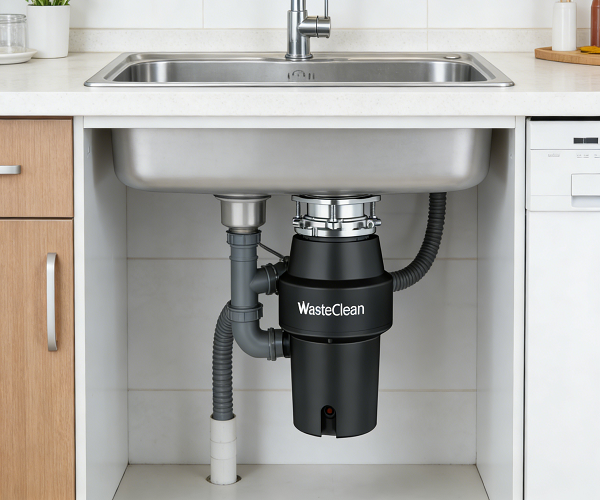
Food waste disposers, also known as garbage disposers or kitchen waste disposers, have become a practical appliance for modern kitchens. Installed beneath the sink, they grind suitable food scraps into small particles that can be carried away through the wastewater system.
But are food waste disposers really worth the investment? The answer depends on your cooking habits, household size, plumbing system, and expectations. For many households, a quality disposer can make kitchen cleanup faster and more convenient. However, it is not a solution for every type of food waste, and choosing the wrong model can lead to unnecessary noise, clogs, or maintenance issues.
This guide explains the main advantages and disadvantages of food waste disposers and provides practical buying tips to help you choose the right model for your kitchen.
What Is a Food Waste Disposer?
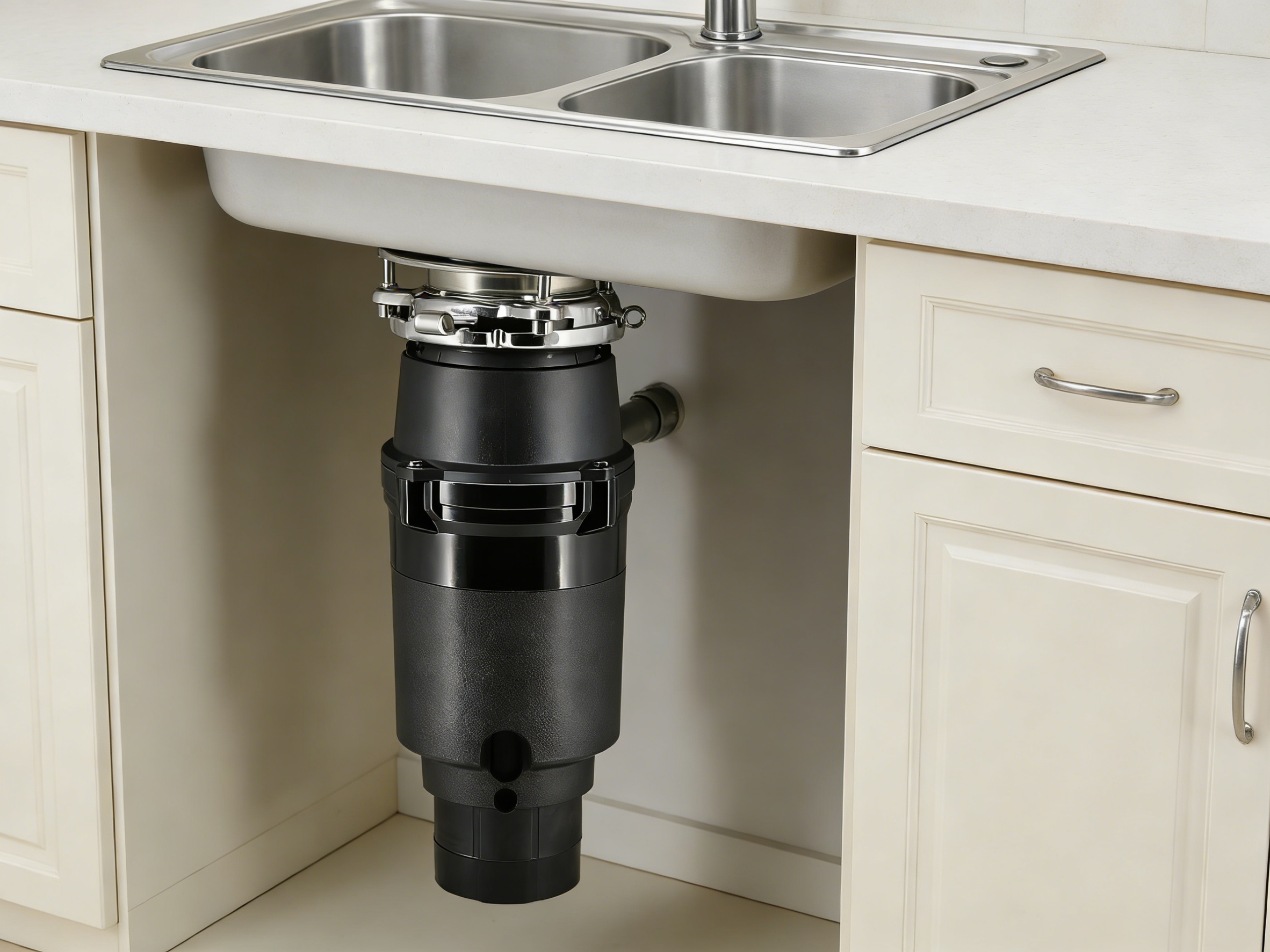
A food waste disposer is an under-sink appliance designed to grind food scraps before they enter the drainage system. Unlike a traditional trash can, it allows suitable food waste to be processed immediately after meals or food preparation.
Modern disposers generally use a grinding mechanism rather than conventional cutting blades. The motor rotates the grinding components at high speed, breaking food scraps into smaller particles.
Food waste disposers are available in different motor powers, feed types, sizes, and noise-reduction designs, making it important to select a model according to your actual household requirements.
Pros of Food Waste Disposers
1. More Convenient Kitchen Cleanup
One of the biggest advantages is convenience. Instead of collecting vegetable scraps, small leftovers, and other suitable food waste in a trash can, you can process them directly at the sink.
This can be especially useful when preparing meals that generate a large amount of food scraps. A disposer lets you clean plates and food preparation areas more efficiently, reducing the number of trips to the kitchen garbage bin.
2. Helps Reduce Food Odors
Food scraps left in a kitchen trash can begin to decompose and produce unpleasant odors, particularly in warm weather. A disposer can reduce the amount of suitable food waste stored in the trash.
This can help keep the area around your sink and garbage bin cleaner and fresher between trash collections.
3. Less Wet Food Waste in the Trash
Food scraps often contain considerable moisture. When they remain in a garbage bag, they can make the trash heavier and wetter and may contribute to leaks.
A food waste disposer can process appropriate scraps at the sink instead, potentially reducing the amount of wet organic waste placed in household garbage.
4. Convenient for Busy Households
For families that cook frequently, a disposer can save time during everyday cleanup. Continuous-feed models, for example, allow users to add suitable food scraps while the unit is operating, making them convenient for routine kitchen use.
For households that prioritize convenience, this simple workflow can make a noticeable difference.
5. Potential Environmental Benefits
Food waste management depends heavily on local infrastructure. In some areas, wastewater treatment facilities can process organic material through anaerobic digestion and potentially recover energy from the resulting biogas.
However, the environmental impact of using a disposer varies by location. Before purchasing one primarily for environmental reasons, it is worth understanding how your local wastewater system handles organic material.
Cons of Food Waste Disposers
1. Not All Food Waste Belongs in a Disposer
A disposer is not a replacement for a garbage bin or composting system. Large, hard, fibrous, or inappropriate materials can increase the risk of jams or plumbing problems.
For example, users should be cautious with large bones and other hard materials. Even when a powerful disposer can process certain tough foods, larger particles may still create problems in the home's drainage system.
Always follow the manufacturer's recommendations for acceptable food waste.
2. Plumbing Compatibility Matters
A disposer works together with your kitchen sink and drainage system, so the condition of your plumbing matters.
Older or frequently clogged pipes may not be suitable for heavy disposer use. Consumer Reports notes that clog risks can be higher with older cast-iron drainage systems compared with newer plumbing.
If your sink already drains slowly or frequently clogs, it is better to address the underlying plumbing problem before installing a disposer.
3. Noise Can Be a Concern
Traditional food waste disposers can be relatively loud during operation. Higher-end models may use sound insulation and other technologies to reduce operating noise.
If your kitchen is close to a dining or living area, noise reduction may be worth prioritizing when comparing models.
4. Installation Requires Space and Proper Connections
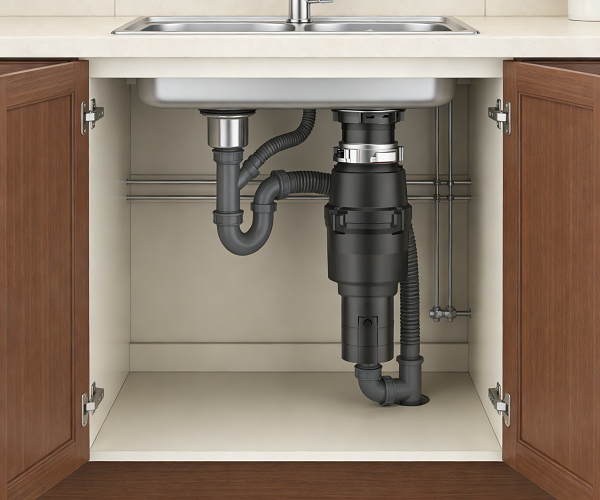
A disposer needs sufficient room beneath the sink and must be correctly connected to the drain and electrical supply. Higher-horsepower models can also be physically larger.
Local plumbing and electrical requirements may apply, and some installations are better handled by a qualified professional.
How Much Horsepower Do You Need?
Motor horsepower is one of the most important specifications to consider.
As a general guide:
- 1/3 HP: Suitable for light use and smaller households.
- 1/2 HP: A practical choice for many average households.
- 3/4 HP: Suitable for frequent cooking and heavier everyday use.
- 1 HP: A strong option for larger households and demanding applications.
Consumer Reports notes that most household disposers fall between 1/3 and 1 HP, with 1/2 and 3/4 HP generally suitable for typical household use.
More horsepower is not automatically better. A larger motor can cost more and may require more installation space. Choose power based on how frequently you cook and the type and volume of food waste you generate.
Continuous Feed vs. Batch Feed
Another important decision is the feed type.
Continuous-feed disposers operate while the switch is on, allowing you to add suitable food scraps during operation. They are common and convenient for everyday kitchen cleanup.
Batch-feed disposers require a stopper or cover to be positioned before operation. They can offer an additional layer of protection against accidental operation and may be attractive for households that prioritize this type of operating design. However, processing food in batches can be less convenient when you have a large amount of waste.
Key Features to Look For When Buying
When comparing food waste disposers, consider more than motor horsepower.
Stainless Steel Components
Stainless steel grinding components can provide good corrosion resistance and durability.
Anti-Jamming Technology
Auto-reverse or other anti-jamming technologies can help reduce problems when the grinding mechanism encounters resistance.
Noise Reduction
If quiet operation is important, look for models with sound insulation or other noise-control features.
Multiple Grinding Stages
Some premium disposers use multiple grinding stages to produce finer food particles. This can be useful for households that generate larger amounts of food waste.
Proper Size
Measure the space beneath your sink before buying. A powerful disposer is not useful if it cannot fit comfortably into the available cabinet space.
Are Food Waste Disposers Worth It?
For many households, yes—a food waste disposer can be a worthwhile kitchen upgrade.
It can simplify food cleanup, reduce wet food waste in the trash, minimize food odors, and provide a convenient way to handle suitable kitchen scraps. However, its value depends on your plumbing, household habits, local wastewater infrastructure, and the quality of the unit you choose.
The best approach is not simply to buy the most powerful disposer available. Instead, consider your household size, cooking frequency, available under-sink space, plumbing condition, septic-system requirements, noise preferences, and desired features.
A properly selected food waste disposer can provide years of convenient kitchen waste management. By choosing the right horsepower, feed type, construction, and features for your needs, you can get the benefits of faster cleanup without paying for capabilities you do not actually need.
Related News
SUBSCRIBE
INQUIRY