

PRODUCTS
The Ultimate Guide: How a Garbage Disposal Works (Step-by-Step Explanation)
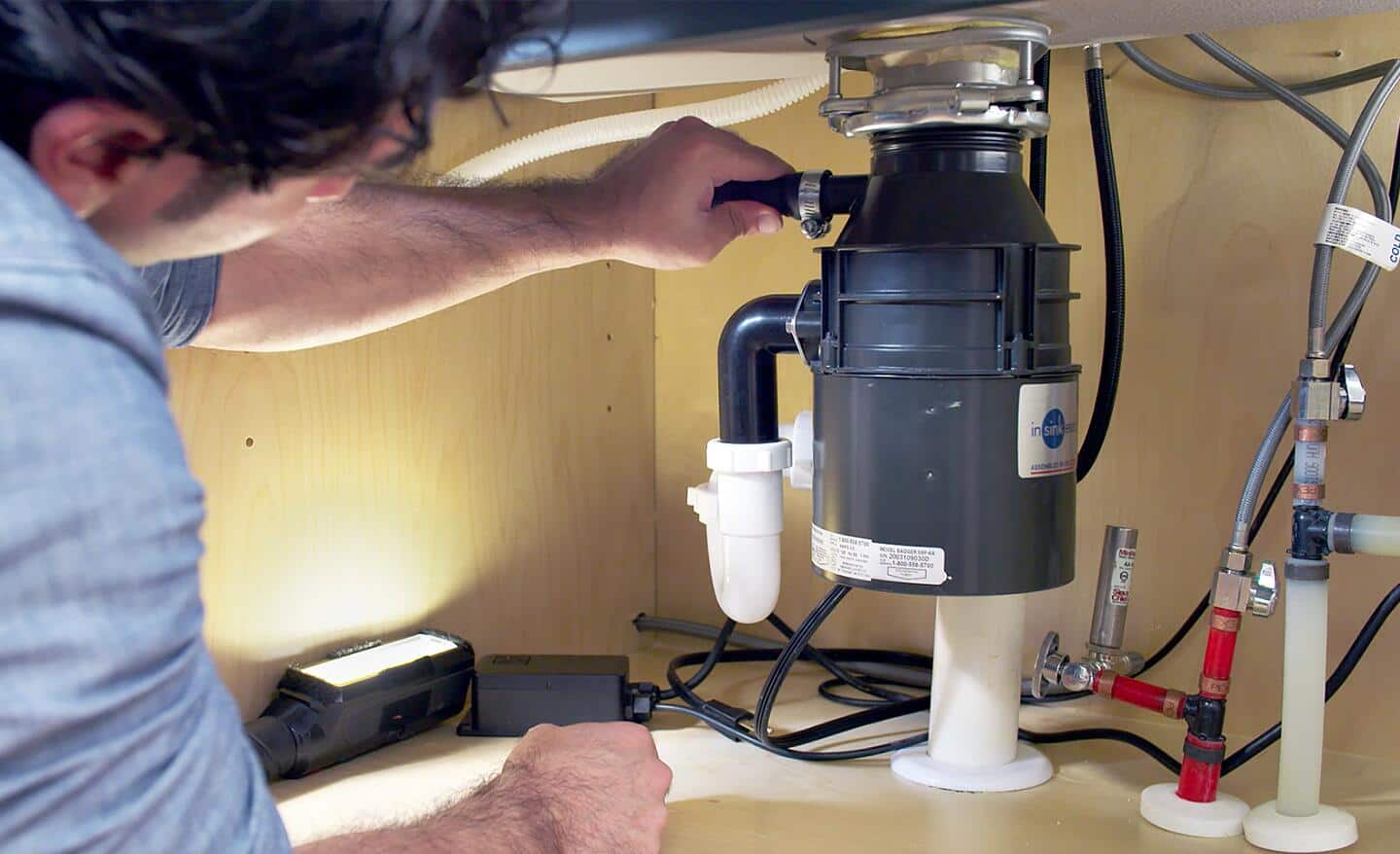
A garbage disposal, also known as a kitchen sink disposal, is an electrically powered appliance installed under your sink that shreds food waste into tiny particles using a spinning metal impeller plate and fixed shredder ring, allowing the resulting slurry to be flushed away through your plumbing system.
Core Takeaways
- A garbage disposal uses a spinning impeller and a stationary shredder ring to pulverize food waste.
- Water is essential for its operation to carry waste away and prevent clogs.
- Understanding its mechanism helps with proper use, basic troubleshooting, and DIY maintenance.
- Not all food waste is suitable for disposal; fats, oils, and fibrous materials should be avoided.
:max_bytes(150000):strip_icc()/gar_disp_expl_view-640-56a4a2d25f9b58b7d0d7effe.jpg)
In-Depth Explanation
For homeowners, renters, or students curious about home appliance mechanics, understanding a garbage disposal's operation is straightforward. When you turn on the switch, an electric motor spins a metal impeller plate mounted inside a grinding chamber. Food waste falls onto this spinning plate and is flung against a stationary shredder ring lining the chamber wall. This ring has sharp, blunt, or serrated teeth (depending on the model) that tear and grind the waste. Cold water running simultaneously helps lubricate the parts, carry the ground particles through the drain, and prevent heat buildup from the motor. The ground waste, now a fine slurry, flows with the water into your home's wastewater system. This entire garbage disposal mechanism is designed for convenience but requires mindful use to avoid jams and maintain longevity.

Data & Solution Comparison
| Feature/Aspect | Continuous Feed Disposal | Batch Feed Disposal |
|---|---|---|
| Operation Method | Can run continuously while adding waste. | Requires a stopper to be placed and locked to operate. |
| Safety | Lower; risk of objects falling in while running. | Higher; cannot operate without the safety stopper. |
| Convenience | High for large amounts of waste. | Moderate; process is interrupted to add more waste. |
| Common Use Case | Standard in many households. | Preferred in homes with young children. |
Frequently Asked Questions (FAQ)
Q: What happens when you turn on a garbage disposal?
A>When you turn it on, the electric motor activates, spinning the impeller plate inside the grinding chamber. Any food waste present is immediately thrown against the stationary shredder ring and broken down. You should always have cold water running during this process.
Q: How do you fix a jammed garbage disposal step by step?
A>First, ensure the unit is powered OFF. Use a hex key (often provided) to manually rotate the motor shaft from the bottom of the unit to dislodge the obstruction. You can also use long-handled pliers to carefully remove debris from the grinding chamber. Once clear, reset the overload protector button (usually on the bottom) and test.
Q: What should I check in a garbage disposal not working troubleshooting guide?
A>Start by checking the basics: ensure it's plugged in and the circuit breaker hasn't tripped. Press the reset button on the bottom of the unit. Listen for a hum; if it hums but doesn't grind, it's likely jammed. If there's no sound at all, the issue could be the power supply, wall switch, or internal motor.

Conclusion & Recommendations
For informational purposes, the key to a long-lasting garbage disposal is proper use and preventative care. Always run cold water before, during, and after grinding. Avoid putting fibrous materials (celery, corn husks), fats/oils/grease, or hard items (bones, fruit pits) down the disposal. For routine cleaning, grind ice cubes or citrus peels. If you encounter persistent issues like frequent jams or leaks, consulting the manufacturer's manual or a professional plumber for repair advice is the recommended next step.
SUBSCRIBE
INQUIRY