

PRODUCTS
Garbage Disposal Manufacturer vs Trading Company: How to Choose a Reliable Supplier
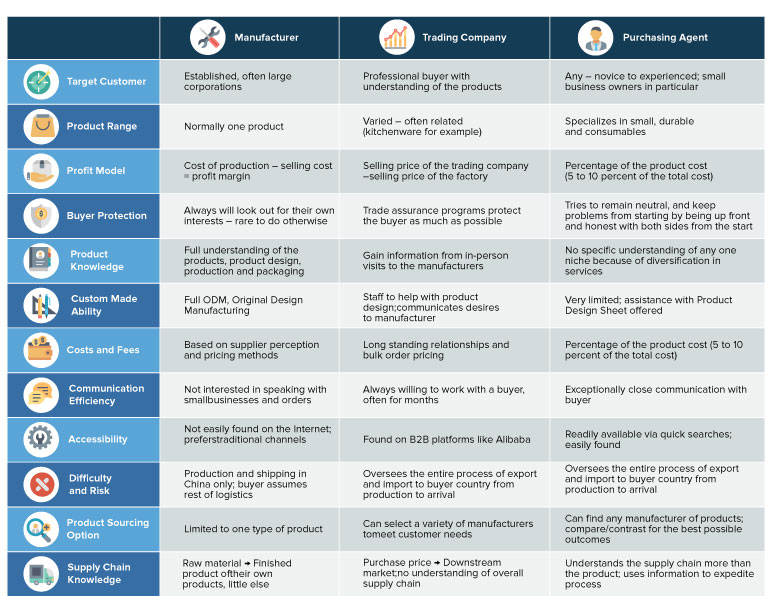
As buyers seek garbage disposals for OEM/private label/distribution applications, they are usually confronted with a substantial decision about whether to partner directly with a manufacturer or work with an intermediary like a trading company. Although both types of companies can provide a source for products, the long-term consequences on pricing, quality and scalability could be very dissimilar for the two options.
Understanding the differences between these two options will help buyers mitigate their risk as well as build a more dependable supply chain.
Key Benefits of Partnering with a Garbage Disposal Manufacturer
The manufacturer owns its own production facilities and performs motor assembly, grinding system design, quality inspection and testing in-house.
Some of the main benefits include:
1.Direct-from-factory pricing, meaning no middleman markup
2.Consistent quality control maintained through standardised processes
3.OEM/ODM customised capability (e.g., motor selection [PMDC/AC/BLDC], noise insulation, housing design, branding, etc.)
4.Technical support (product optimisation, troubleshooting, etc.)
5.Long-term supply stability for brands that are growing.
6.Timelier after-sales service & product upgrades.
Manufacturers are typically the best fit for buyers looking to establish a brand, expand their product offering or have a continuous quality level over time.
Key Benefits of Partnering with a Trading Company
The trading company is an intermediary and sources products made by various manufacturers rather than manufacturing them itself.
The trading company model may be suitable for buyers when:
The quantity of their orders is relatively small
They are testing the market for short-term demand
They have limited customisation requirements
However, the trading company usually has minimal control over product quality, delivery schedule and technical specification, which can result in significant variances in product quality and availability as order volumes increase.
The Manufacturer vs. Trading Company Decision: Key Components for Buyers to Consider
| Factor | Manufacturer | Trading Company |
|---|---|---|
| Pricing | More competitive & transparent | Higher due to commissions |
| Quality Consistency | High | Factory-dependent |
| OEM / Customization | Strong | Limited |
| Technical Support | Direct | Indirect |
| Long-Term Scalability | Excellent | Limited |
How to Identify a Reliable Supplier
Regardless of which model you choose, you should verify at least the following:
* Whether the factory is owned by the supplier or has been audited by a third-party
* Manufacturer\\'s motor type and production capabilities
* OEM or ODM experience with Overseas Brands
* Quality control standards and warranty terms
* Does the supplier hold proprietary product certifications (such as CE/CB)?
A reliable supplier is one that demonstrates transparency, technical knowledge, and a commitment to collaborating long-term; rather than simply surviving one transaction.
Final Thoughts
For the majority of professional buyers, a direct relationship with a garbage disposal manufacturer offers superior control, scalability, and long-term value than working with a trading company. Trading companies may be a good temporary solution, but the manufacturers will provide a better foundation for the growth of a sustainable and competitive business.
While price is essential when evaluating suppliers, reliability, consistency and growth potential also need to factor into your evaluation.
SUBSCRIBE
INQUIRY